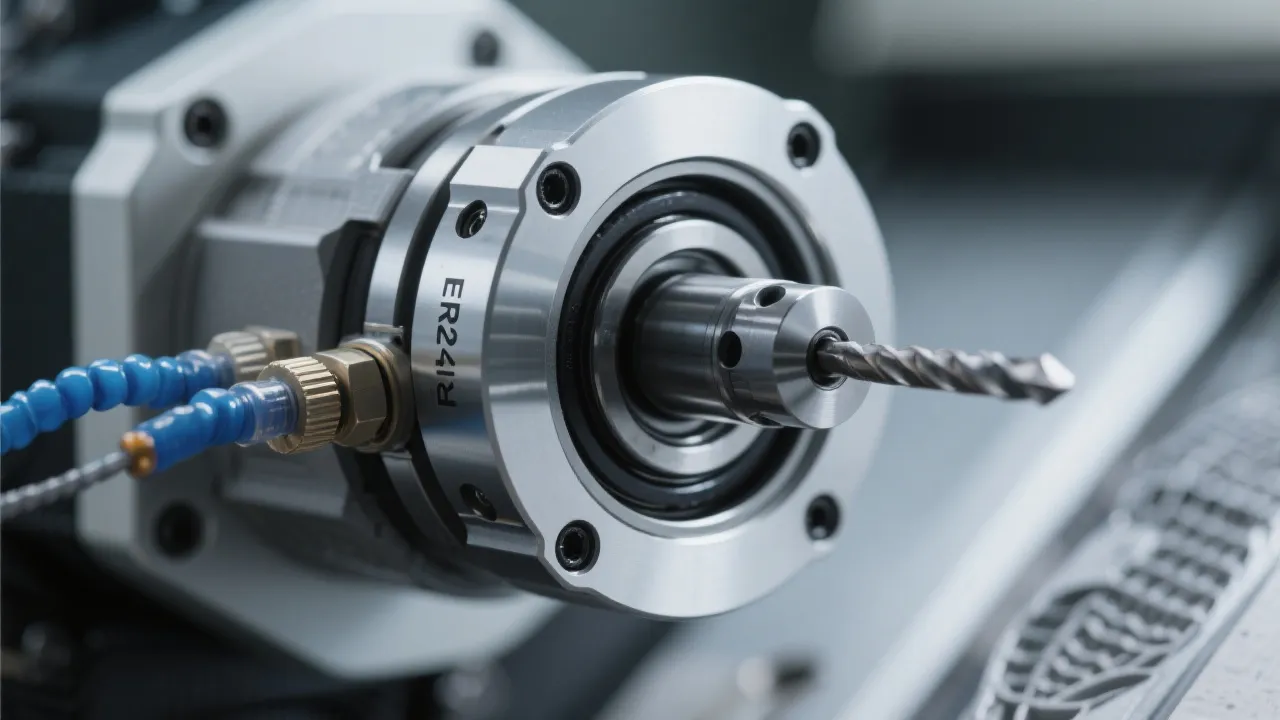
In today’s competitive manufacturing landscape, small-batch production demands more than just skilled operators—it requires smart tooling. Among the most critical factors affecting efficiency and quality is the choice of fixture system used on CNC machining centers. This article compares three common types—mechanical, pneumatic, and magnetic clamping systems—based on real-world performance data, industry standards (like ISO 230-2), and practical insights from engineers working in mid-sized factories.
| Fixture Type | Response Time (sec) | Cost per Unit (USD) | Repeatability Accuracy (μm) | Best For Material |
|---|---|---|---|---|
| Mechanical Clamp | 3–5 | $50–$120 | ±10–20 | Steel, Aluminum |
| Pneumatic Clamp | 1–2 | $150–$300 | ±5–15 | Aluminum, Titanium |
| Magnetic Clamp | 0.5–1 | $200–$400 | ±3–10 | Ferrous Metals Only |
According to a case study at a German automotive parts supplier using ISO 230-2 testing protocols, magnetic fixtures reduced surface roughness by up to 18% compared to mechanical ones when machining aluminum components. However, they also introduced slight warping in thin-wall parts due to uneven magnetic field distribution—a known issue in high-precision applications.
Pneumatic systems, while faster and more consistent, require regular maintenance of air lines and valves. One U.S.-based job shop reported a 12% increase in setup time over six months due to pressure drops—highlighting that cost-effectiveness isn’t just about initial investment.
For engineers aiming to minimize deformation during clamping:
These techniques are often overlooked in training manuals but make a measurable difference in part consistency, especially in low-volume runs where every batch counts.
Whether you're optimizing your current workflow or evaluating new equipment, choosing the right fixture isn't just about speed—it's about precision, repeatability, and long-term reliability.
Discover how the GJ8070 High-Speed CNC Milling Machine from Ningbo Kebao CNC Machinery Co., Ltd. supports multiple fast-clamp solutions—ideal for small batches, tight tolerances, and rapid changeovers.
Click to Explore GJ8070 Quick-Clamp Options