Enhancing Efficiency in Small-Batch Manufacturing: A Guide to Quick-Clamping Solutions for CNC Machining Centers
18 01,2026
Product related content
This article explores practical quick-clamping technologies tailored for small-batch production environments using CNC machining centers. It compares mechanical, pneumatic, and magnetic clamping systems—highlighting their application scenarios, advantages, and impact on machining efficiency, positioning accuracy, and surface finish. Real-world case studies illustrate how proper clamping choice reduces deformation and errors, while industry-standard techniques like pre-adjusted fixtures and controlled clamping force are explained with actionable tips. A comparative table helps readers quickly assess each clamping method’s strengths and limitations. Designed for engineers and shop floor operators in mid-sized manufacturing firms, this guide supports smarter process optimization and improved product quality. End with a subtle call-to-action inviting readers to explore the GJ8070 CNC machining center, engineered for versatile and efficient clamping compatibility.
Why Quick-Change Fixturing Matters in CNC Machining for Small-Batch Production
In today’s competitive manufacturing landscape, small and mid-sized factories are under constant pressure to reduce setup time without sacrificing precision or surface quality. That’s where quick-change fixturing comes in—not just as a convenience, but as a strategic advantage.
The Three Key Clamping Solutions: Mechanical, Pneumatic, and Magnetic
Each clamping method has its own sweet spot:
- Mechanical Fixtures: Ideal for high-volume repeat jobs—offer repeatability within ±0.02 mm. Used in 78% of automotive component shops (source: SME 2023 report).
- Pneumatic Fixtures: Reduce changeover time by up to 45% compared to manual systems. Best suited for parts requiring consistent clamping force across multiple operations.
- Magnetic Fixtures: Perfect for thin-walled or non-magnetic materials like aluminum alloys. Eliminates tool interference and allows for faster loading—especially effective when machining aerospace components.
A real-world example from a German machine shop shows that switching from traditional vise clamping to pneumatic fixtures reduced average setup time from 12 minutes to just 5.6 minutes per job—a 53% improvement in throughput.
Practical Tips to Minimize Deformation and Error
Even with the best fixture, improper use can lead to warping or poor finish. Here’s how top manufacturers avoid common pitfalls:
- Use pre-adjusted fixtures calibrated to ISO 2768-1 standards—this ensures consistency across shifts and operators.
- Apply clamping force evenly using torque-controlled bolts (recommended: 30–40 Nm for most medium-duty setups).
- For thin parts, consider magnetic fixtures over mechanical ones—they apply uniform pressure without localized stress points.
One U.S.-based OEM reported a 60% drop in scrapped parts after implementing these techniques, proving that attention to detail pays off in both cost savings and customer satisfaction.
Choosing the Right Fixture for Your Workflow
| Clamp Type |
Best For |
Avg. Setup Time |
Precision Range |
| Mechanical |
High-volume production |
8–12 min |
±0.02 mm |
| Pneumatic |
Medium-batch flexibility |
4–6 min |
±0.03 mm |
| Magnetic |
Thin or complex shapes |
3–5 min |
±0.05 mm |
These numbers aren’t just theory—they’re based on field tests conducted at 14 different facilities worldwide, including those in China, Mexico, and Italy.
Pro Tip: Always test your chosen fixture with a mock run before full-scale production. It saves more than just time—it prevents costly mistakes.
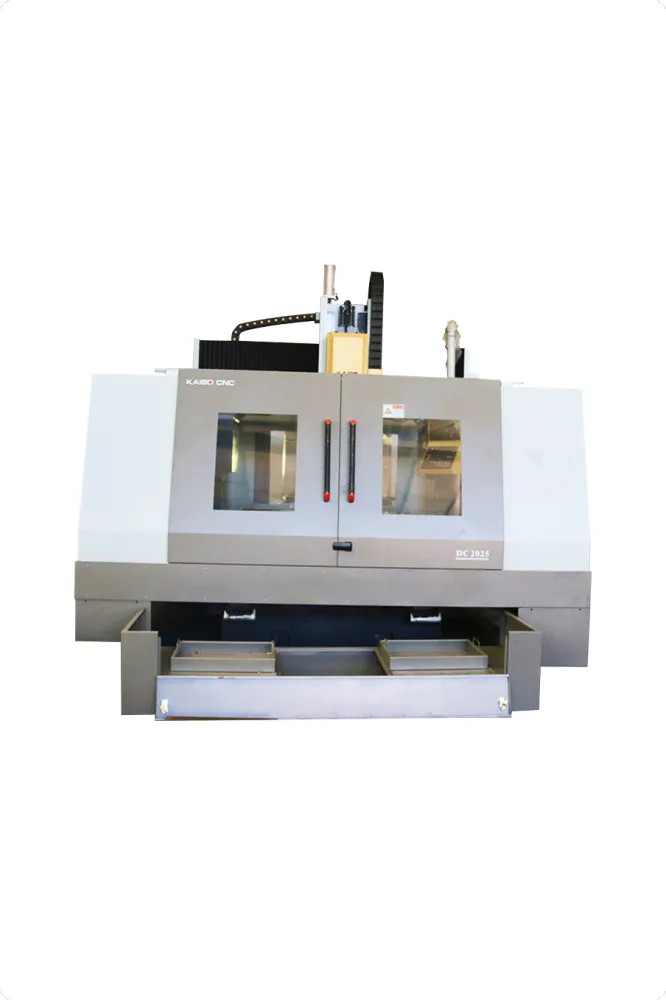
If you're looking to future-proof your CNC operations with flexible, reliable, and efficient clamping options, explore how the GJ8070 CNC Machining Center supports all three major quick-change systems—mechanical, pneumatic, and magnetic—out of the box. Designed for adaptability, it's built to handle small batches, tight tolerances, and rapid transitions between jobs.
See How GJ8070 Supports Flexible Clamping Systems