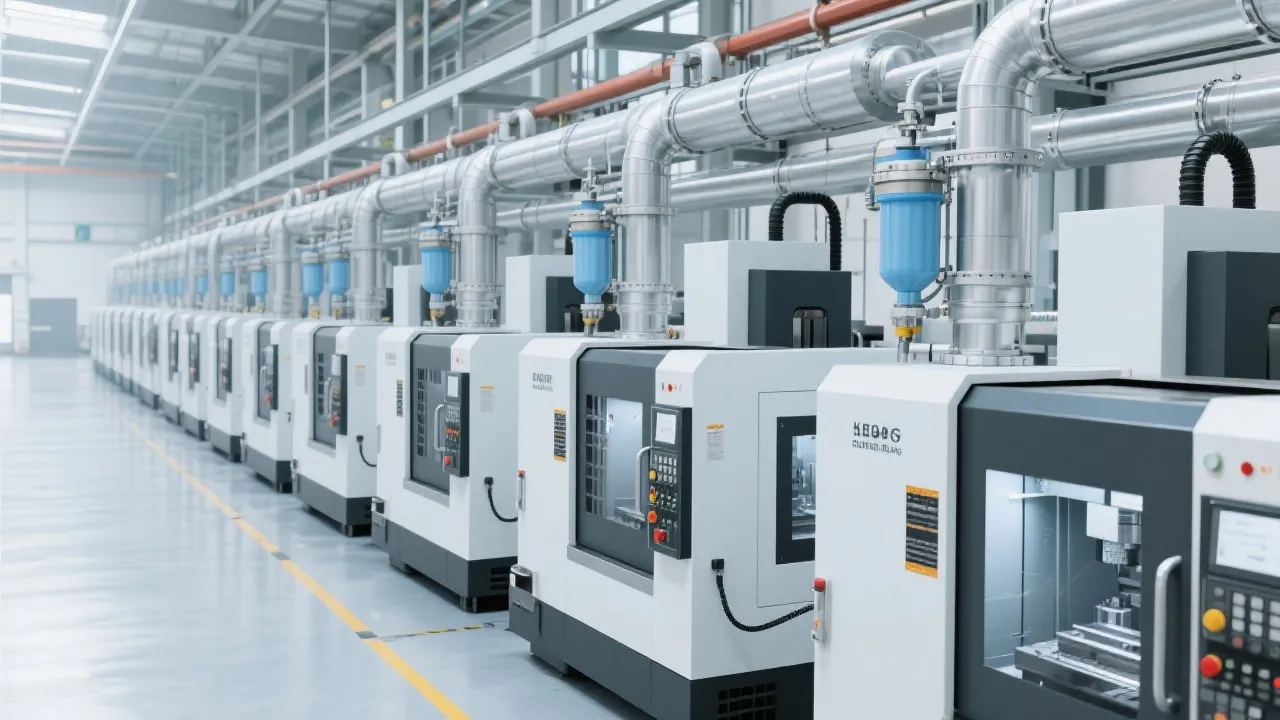
In the world of manufacturing, small-batch and diverse production is becoming increasingly prevalent. However, it comes with a unique set of challenges, such as unstable trial production and long changeover times. The key to overcoming these challenges lies in choosing the right CNC machining equipment. This article will guide you through the selection process, focusing on the core indicators of flexibility, precision, and rapid changeover capabilities.
The control system is the ‘brain’ of a CNC machine, similar to the Fanuc system. Its response speed and anti-interference ability are critical. A control system with high - speed response can significantly reduce processing time. For example, a well - performing system like Fanuc can respond to commands in less than 1 millisecond, ensuring accurate and timely actions. On the other hand, strong anti - interference ability ensures that the machine can operate stably even in complex electromagnetic environments. This can improve the equipment's operation stability by up to 95%, reducing the occurrence of errors during processing.
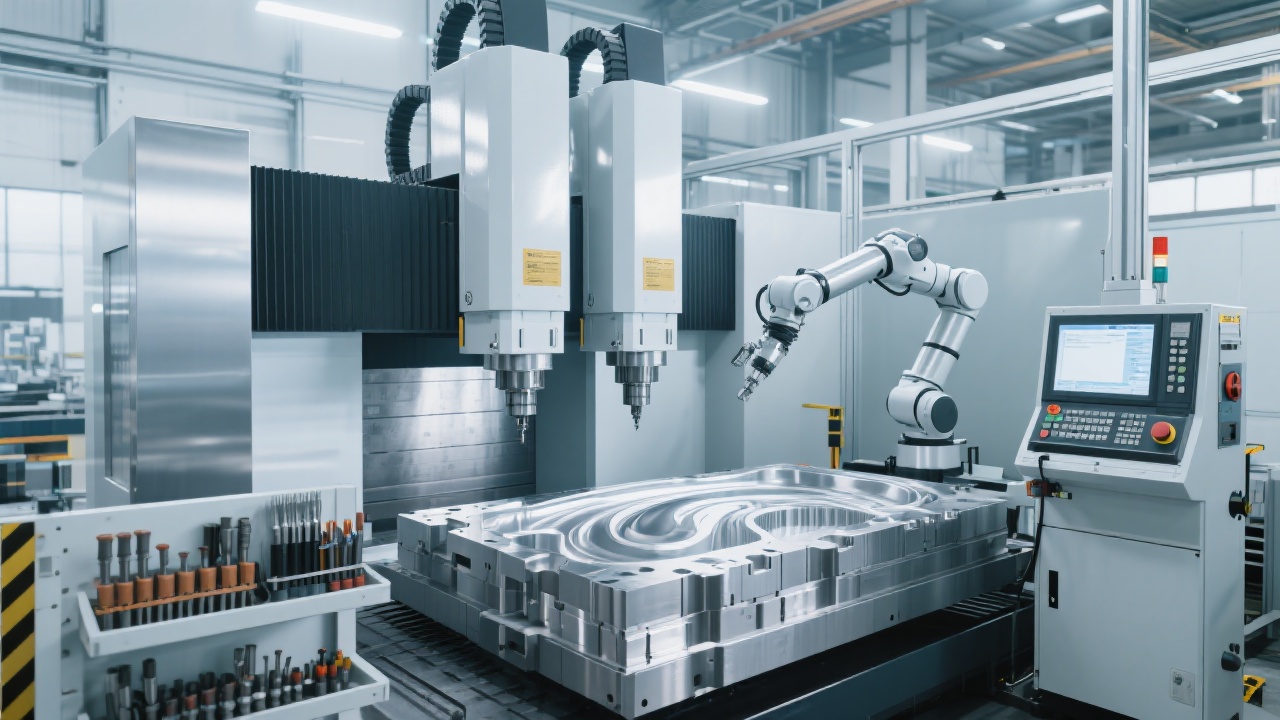
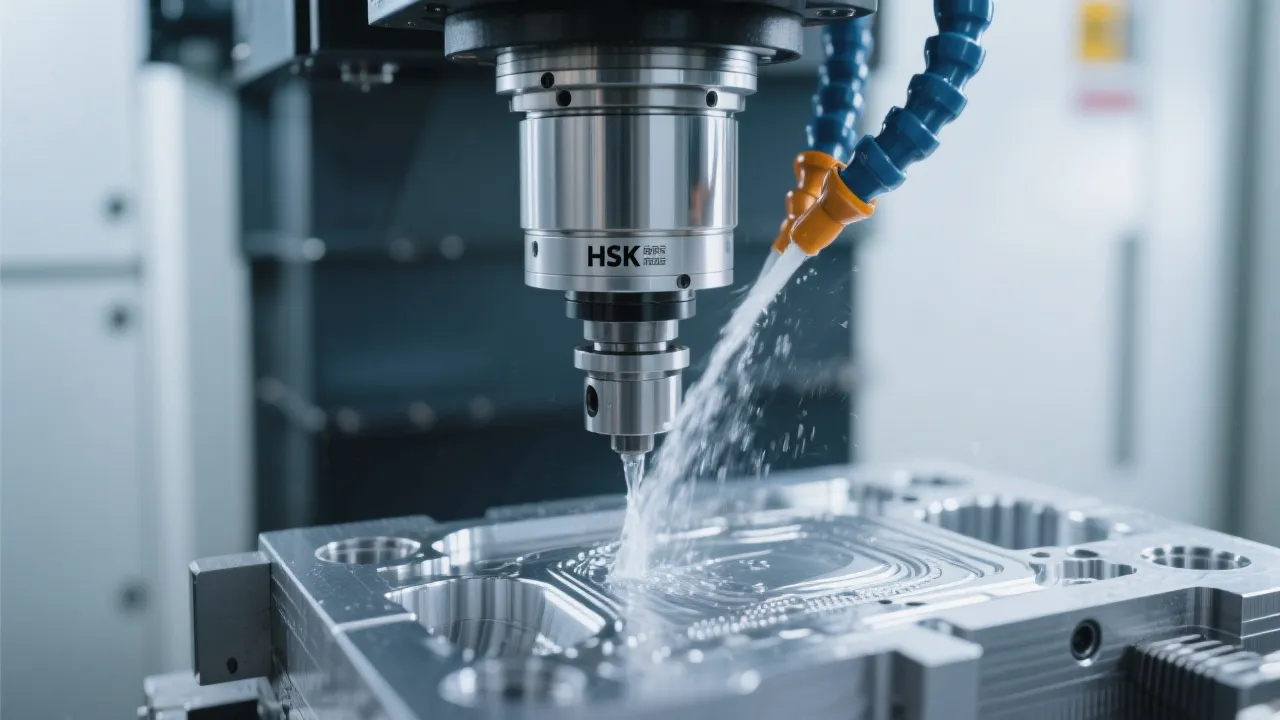
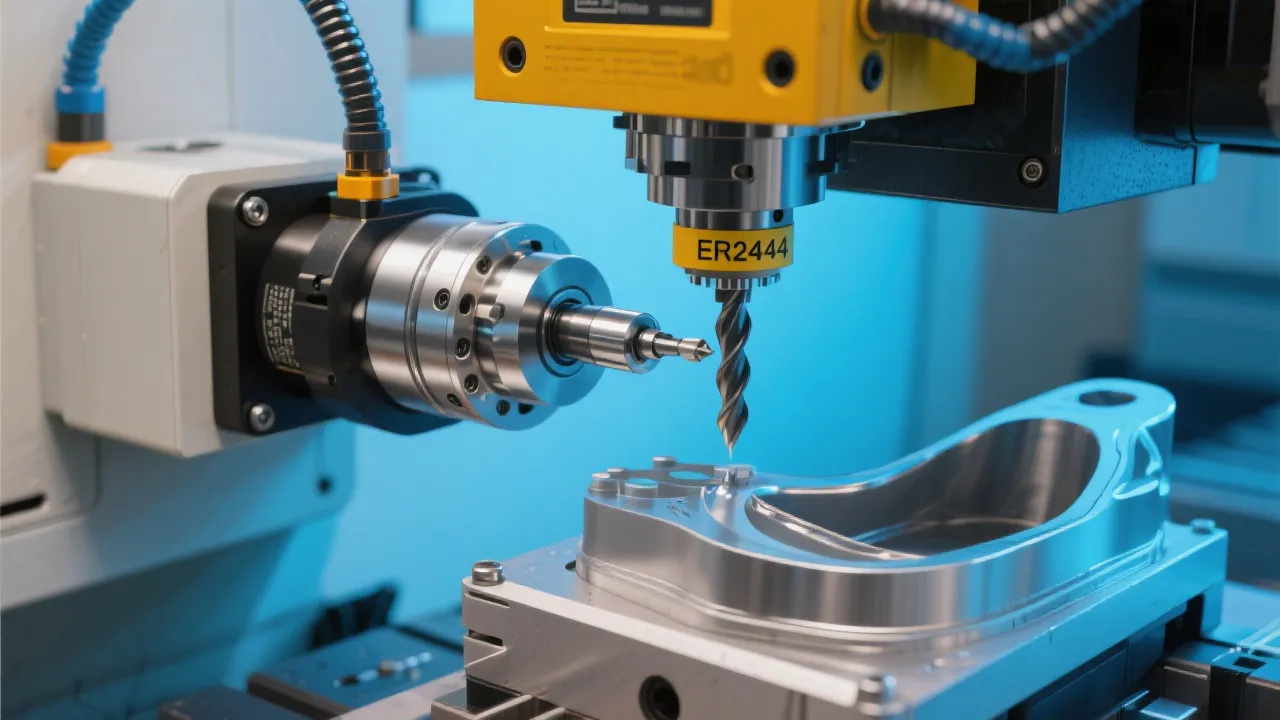
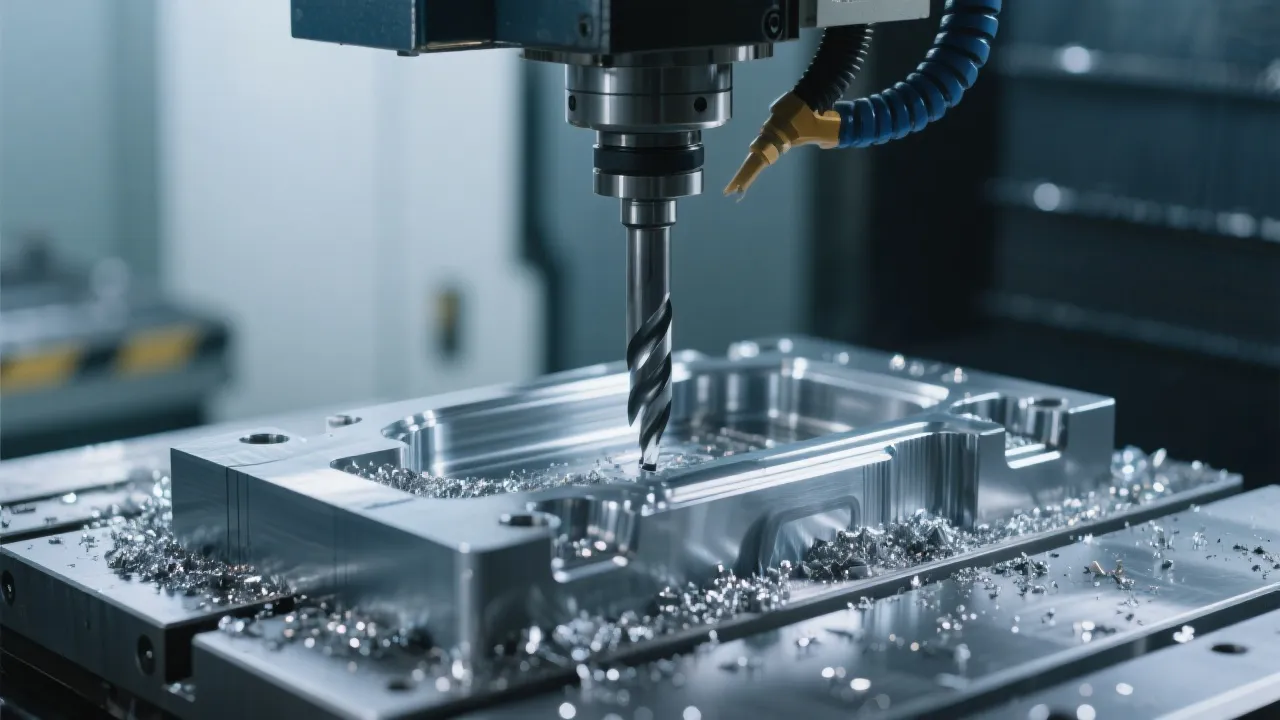
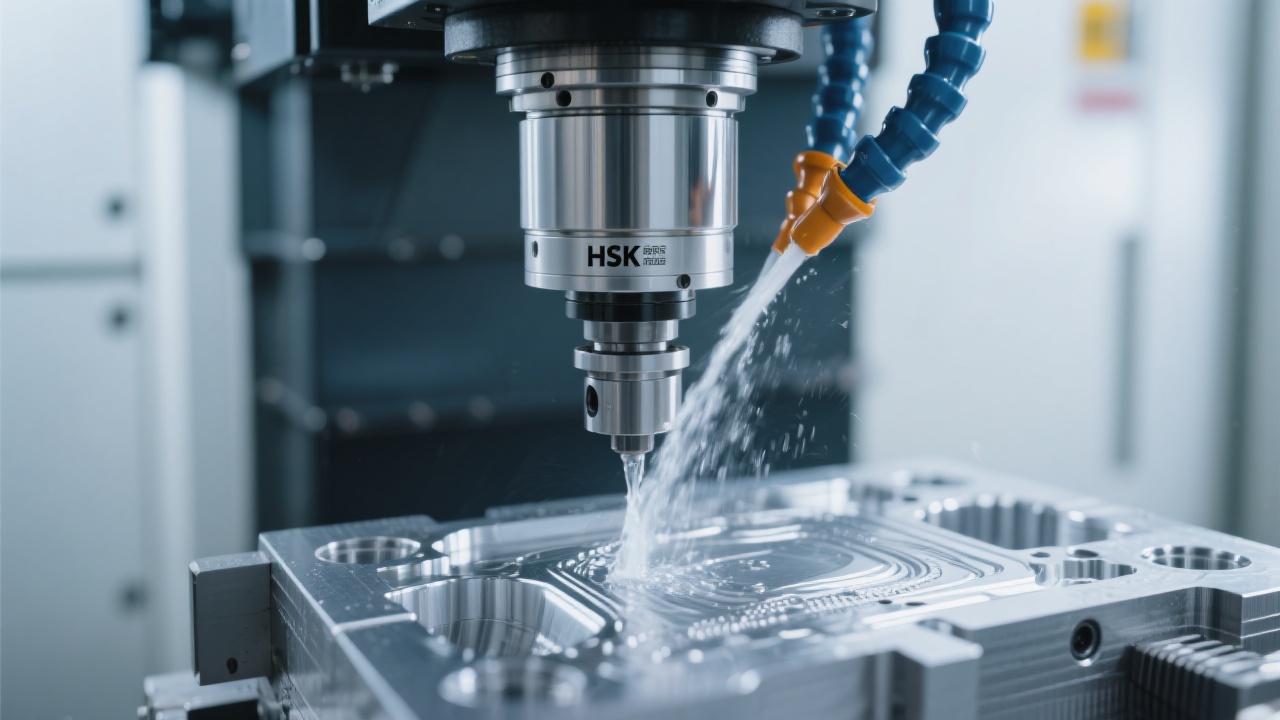
When it comes to fine surface machining, HSK high - speed spindles outperform traditional spindles. Traditional spindles may have limitations in speed and precision, resulting in rough surface finishes. In contrast, HSK high - speed spindles can reach speeds of up to 20,000 RPM, enabling them to create smooth and precise surfaces. They can also improve the surface finish quality by 30% compared to traditional spindles. This makes them ideal for applications such as high - precision mold machining.
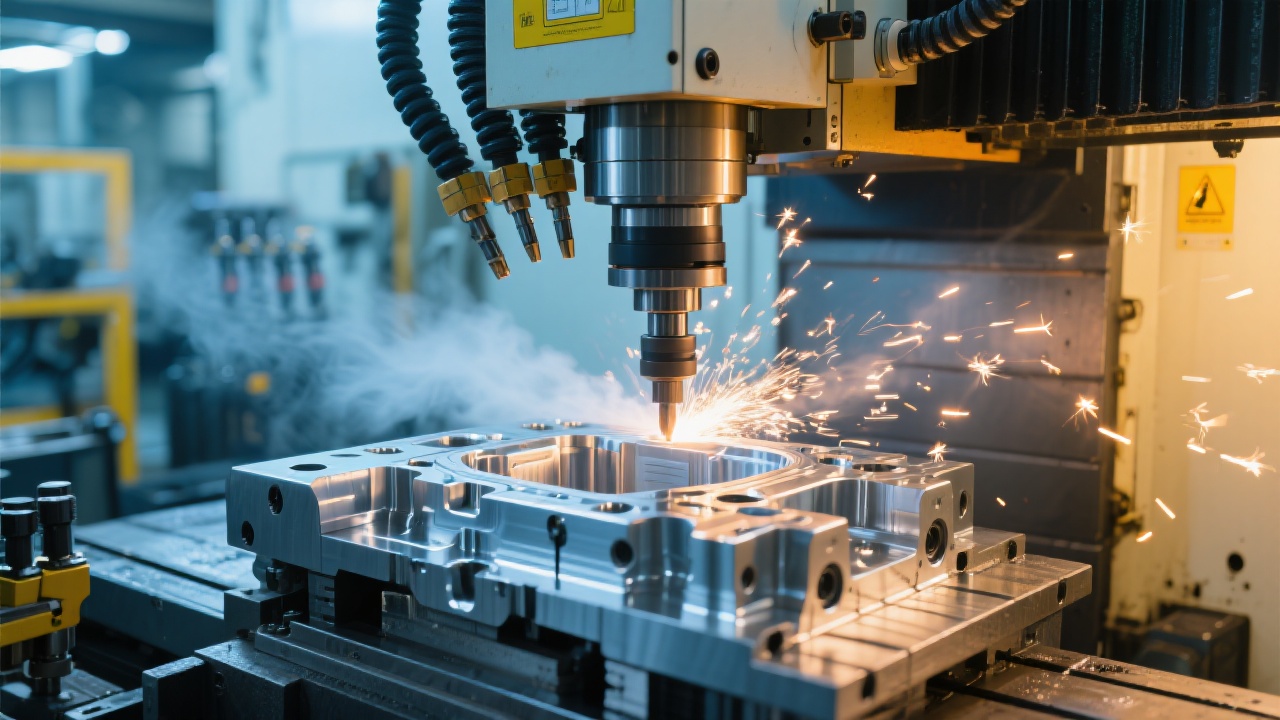
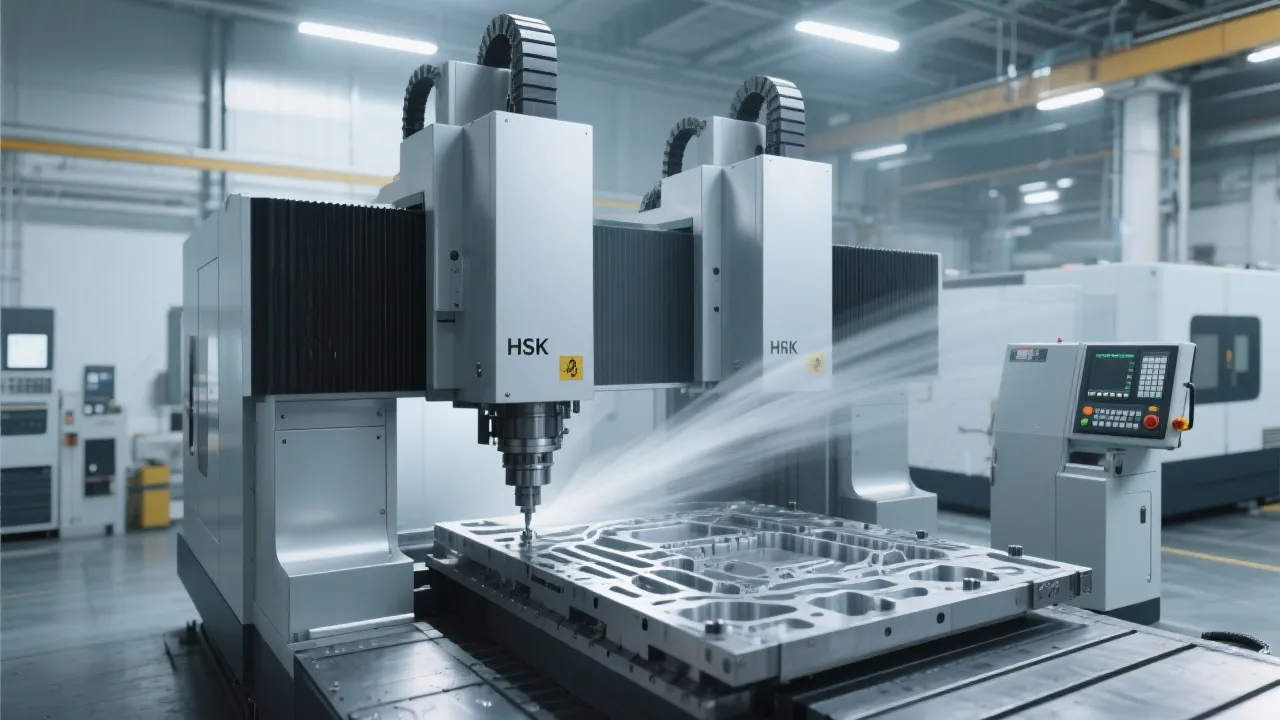
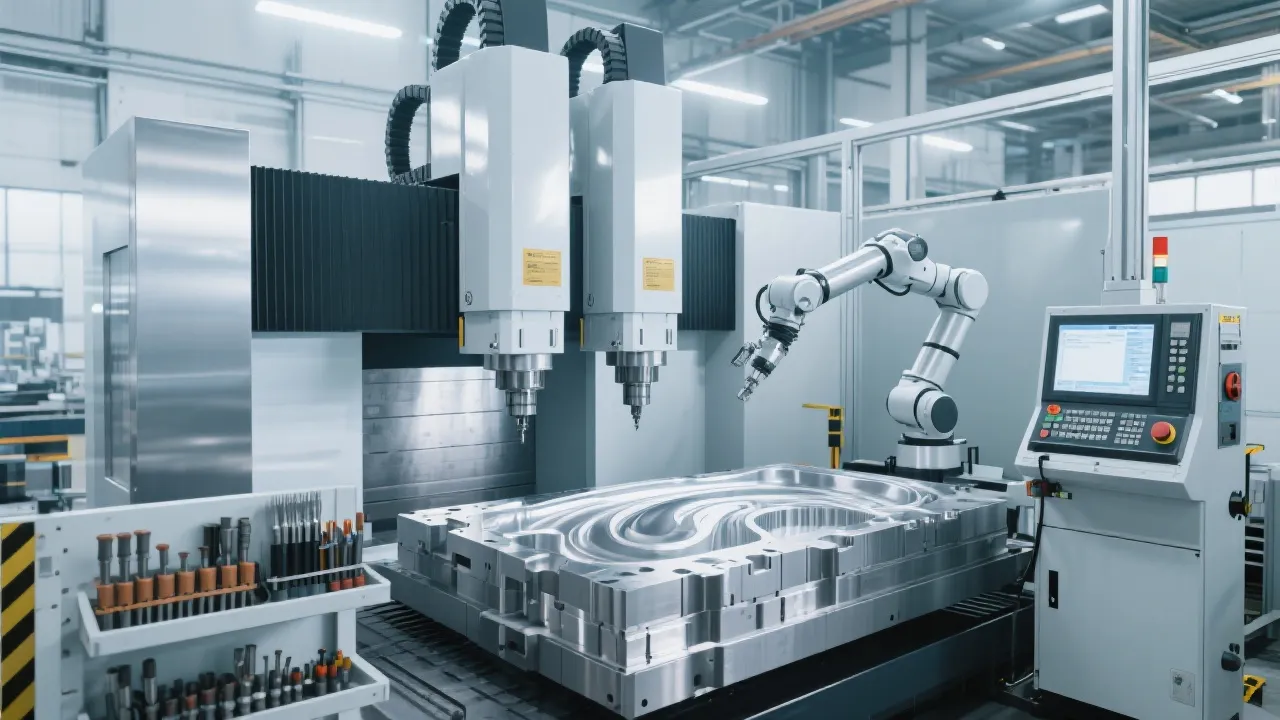
Double - column structures bring remarkable improvements in rigidity and stability. When machining complex curved parts, the rigidity of the machine is crucial. A double - column CNC machine can provide a stable working platform, reducing vibrations during the machining process. This results in a significant increase in the one - time pass rate of complex curved parts. For instance, in some cases, the one - time pass rate can be increased from 80% to 98%, saving time and cost on rework.
After - sales service is an important factor to consider when purchasing CNC equipment. A reliable after - sales service system, such as 7x24 - hour technical support and free training, can help you quickly resolve any problems that may arise during use. It can also enhance your operators' skills, allowing them to use the equipment to its fullest potential. With professional after - sales support, you can have more confidence in your production process and make the most of your investment.
To help you make a more accurate decision, here is a self - assessment checklist. Evaluate the following aspects according to your actual production needs: the quantity of small - batch production, the complexity of parts, the required precision level, and your operators' skills. This checklist can guide you through the process of selecting the most suitable CNC equipment for your business.
| Evaluation Aspect | Self - Assessment Key Points |
|---|---|
| Production Quantity | Is your production mainly small - batch and diverse? How often do you need to change production lines? |
| Part Complexity | Do your parts have complex curved surfaces? What is the required surface finish quality? |
| Precision Level | What is the tolerance range for your parts? Does your production require high - precision machining? |
| Operator Skills | What is the skill level of your operators? Do they need additional training? |
Let every process be more stable, faster, and more accurate - start from choosing the right equipment. If you want to learn more about small - batch production and CNC equipment selection, click here to download the ‘Small - Batch Production Common Problem Response Guide’ PDF and take the first step towards optimizing your production process.