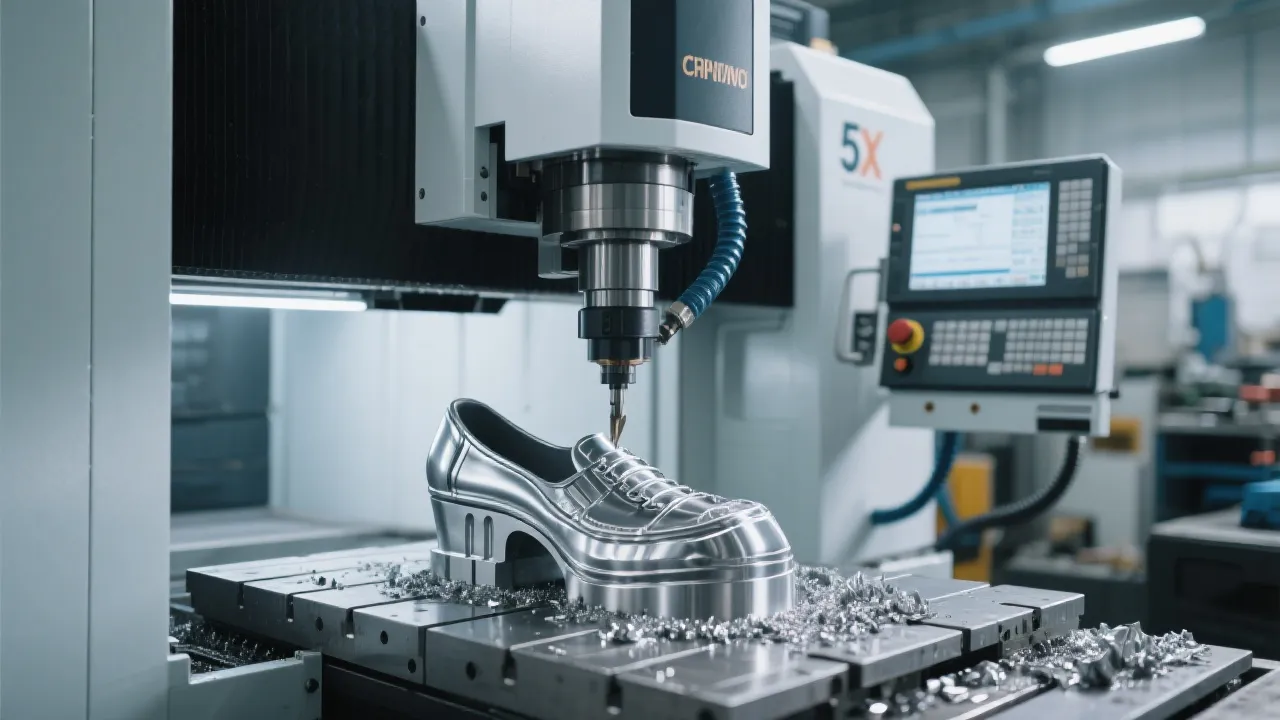
In today’s global manufacturing landscape, especially within export-oriented factories, meeting the challenges of small batch, multi-variety production is critical. Selecting the right CNC machining center can be the decisive factor that drives higher first-pass yield rates, reduces waste, and accelerates delivery. This article delves into core aspects such as the control system, spindle performance, mechanical rigidity, and after-sales support, focusing on how these elements elevate manufacturing quality and productivity.
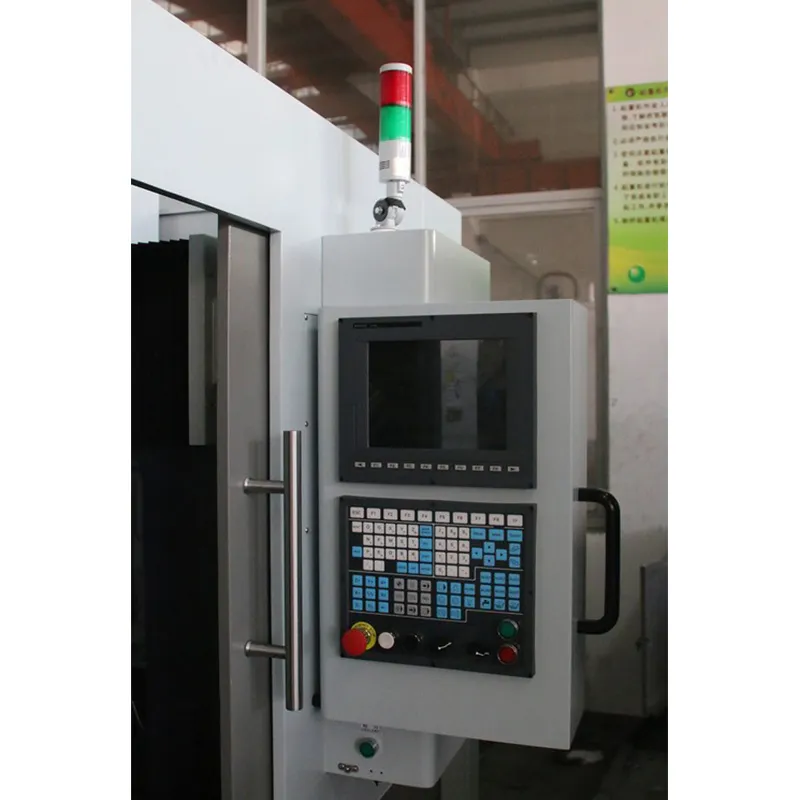
The control system governs the motion and precision of CNC machinery, directly affecting processing accuracy and reliability. Among prevalent brands, Fanuc’s control system stands out for its robust stability, high-speed response, and exceptional anti-interference capability. Independent studies have shown Fanuc reduces machine downtime by approximately 15% compared to generic alternatives, especially important in small batch runs where setup changes are frequent.
For manufacturers handling diverse product variants, fast and precise CNC response ensures minimal error margins and consistent output quality. Fanuc’s real-time adaptive controls enable smoother interpolation and reduce vibration-induced surface defects by up to 20%, enhancing the precision of complex molds or components.
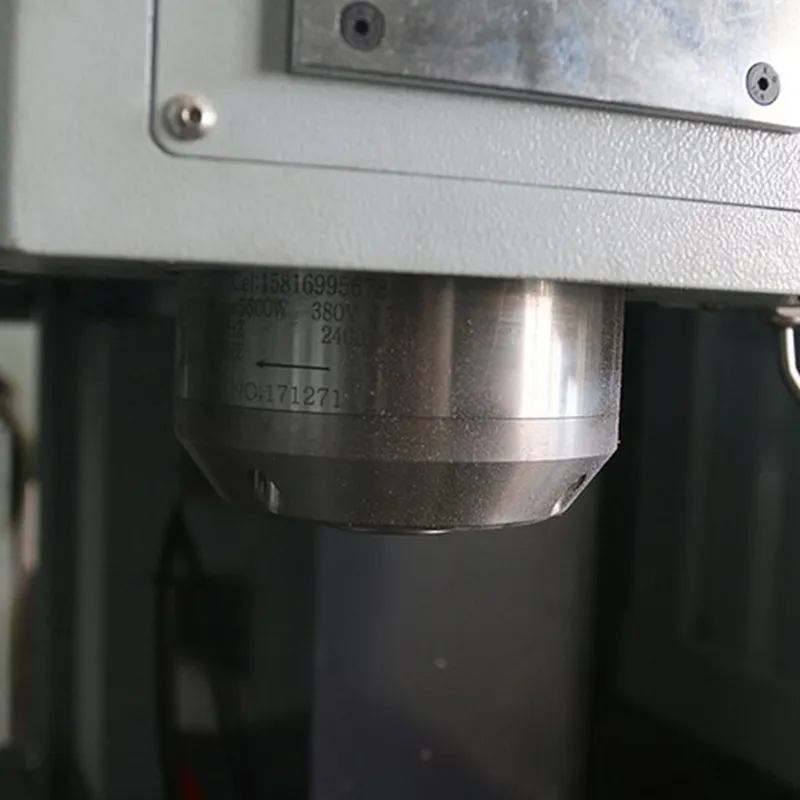
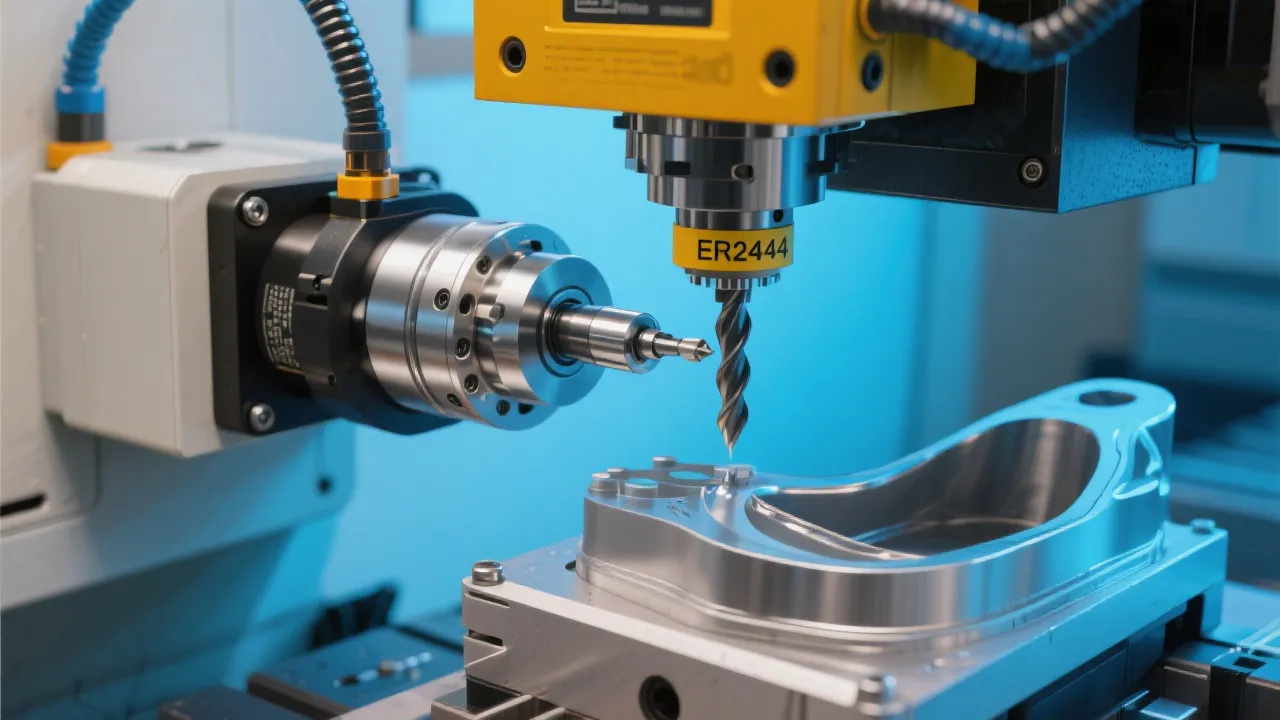
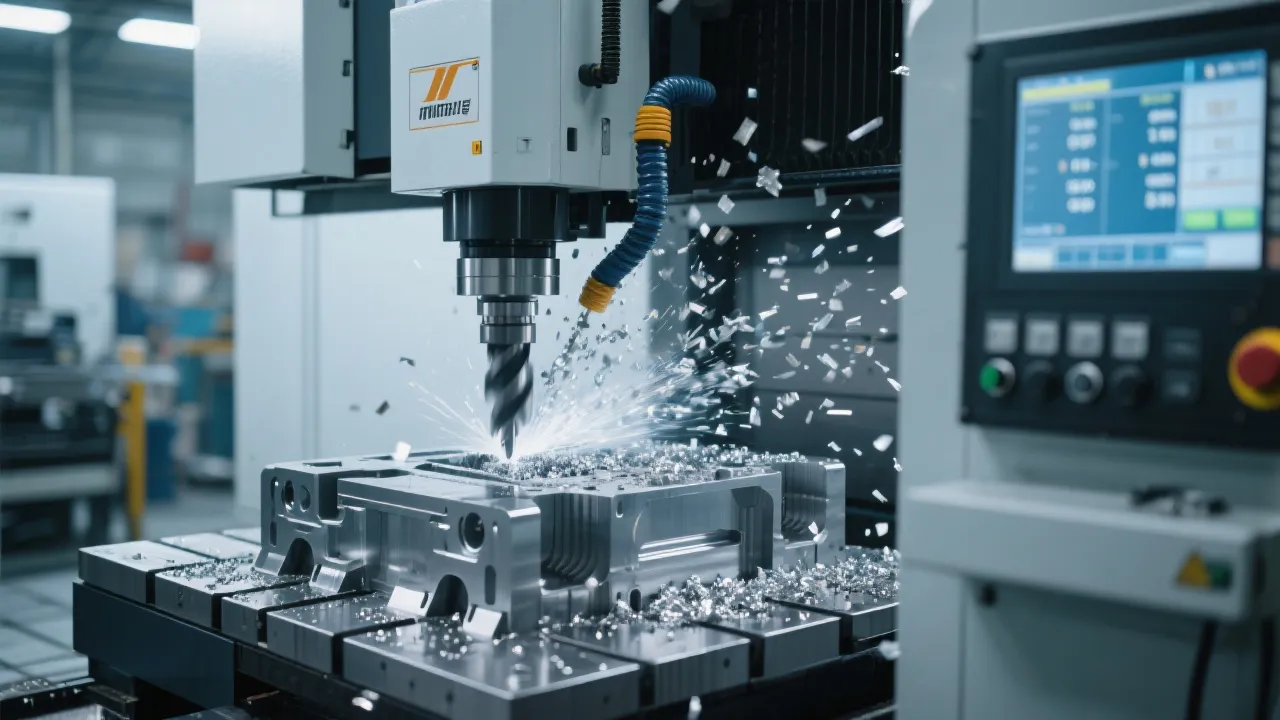
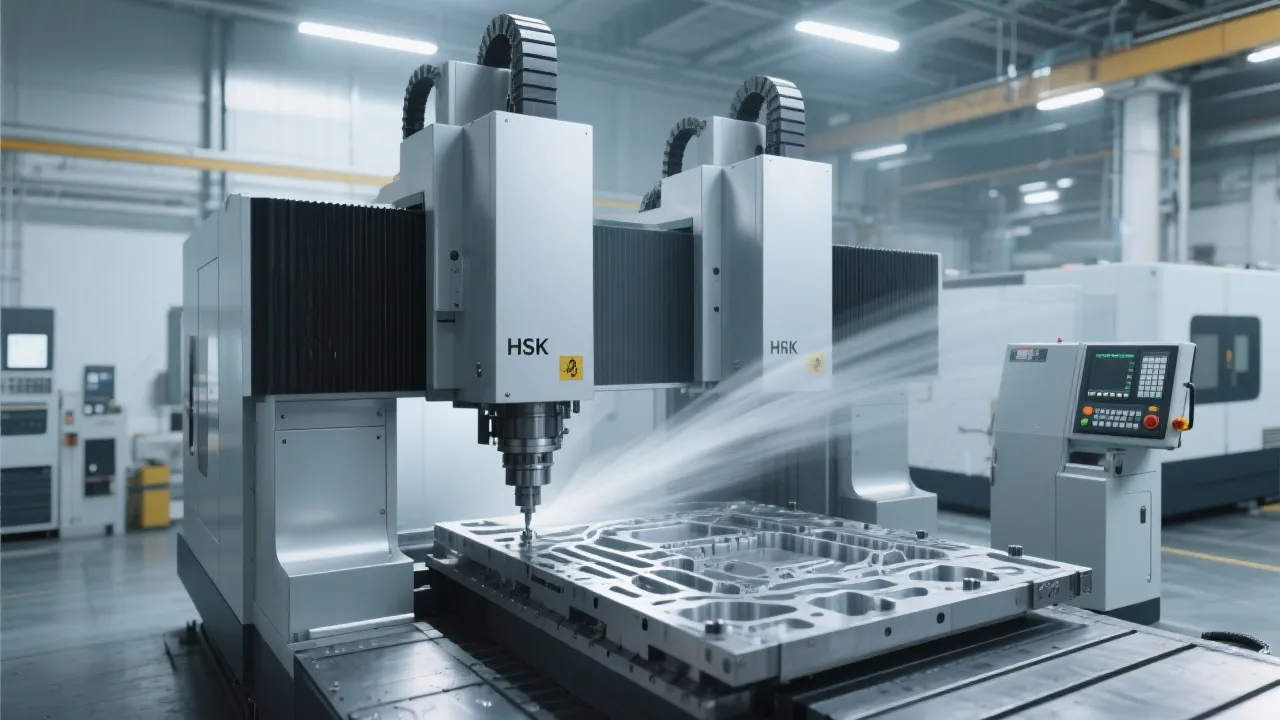
The spindle is the heart of any machining center. Utilizing high-speed HSK (Hollow Shank Taper) spindles offers decisive benefits for small batch productions requiring precision and swift changeover. Compared to standard BT spindles, HSK spindles provide better tool clamping rigidity and thermal stability, reducing runout to less than 3 microns.
This translates to superior surface finish, tighter dimensional tolerances, and improved tool life by up to 30%. Consequently, rework rates decline, contributing directly to a higher first-pass qualification rate. In applications like automotive molds or aerospace parts, where micron-level precision is mandatory, HSK spindles prove indispensable.
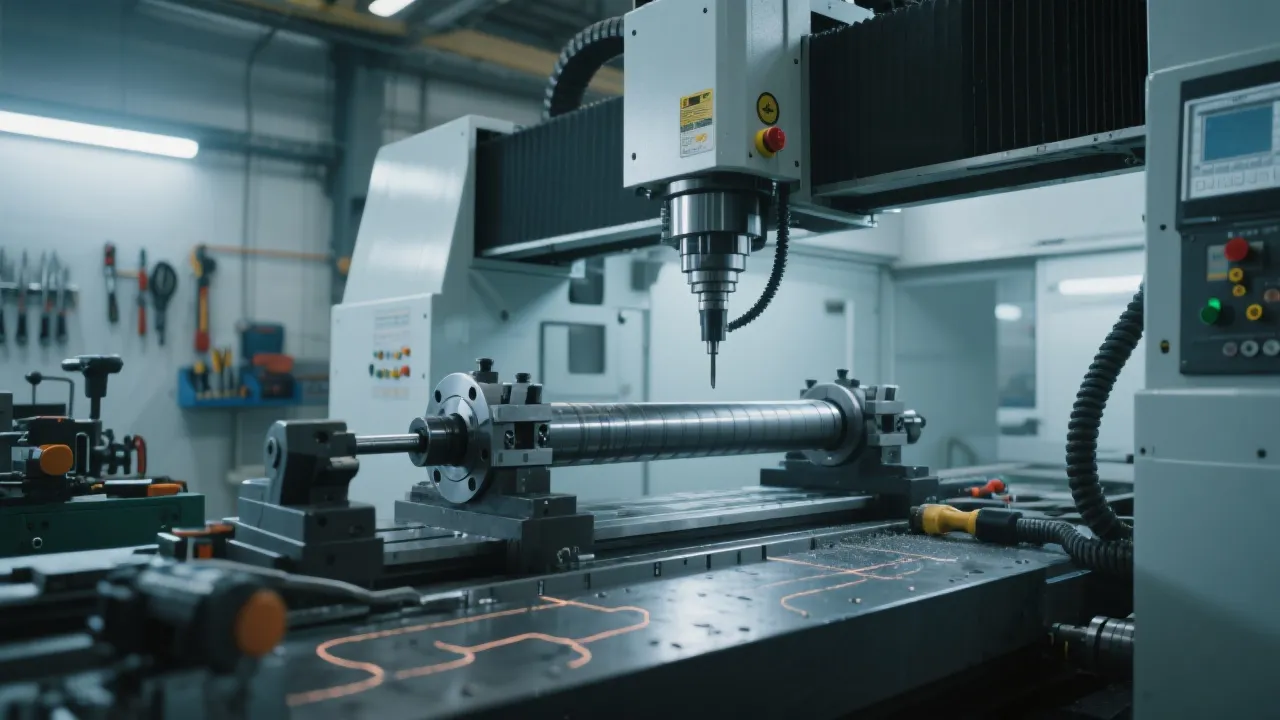
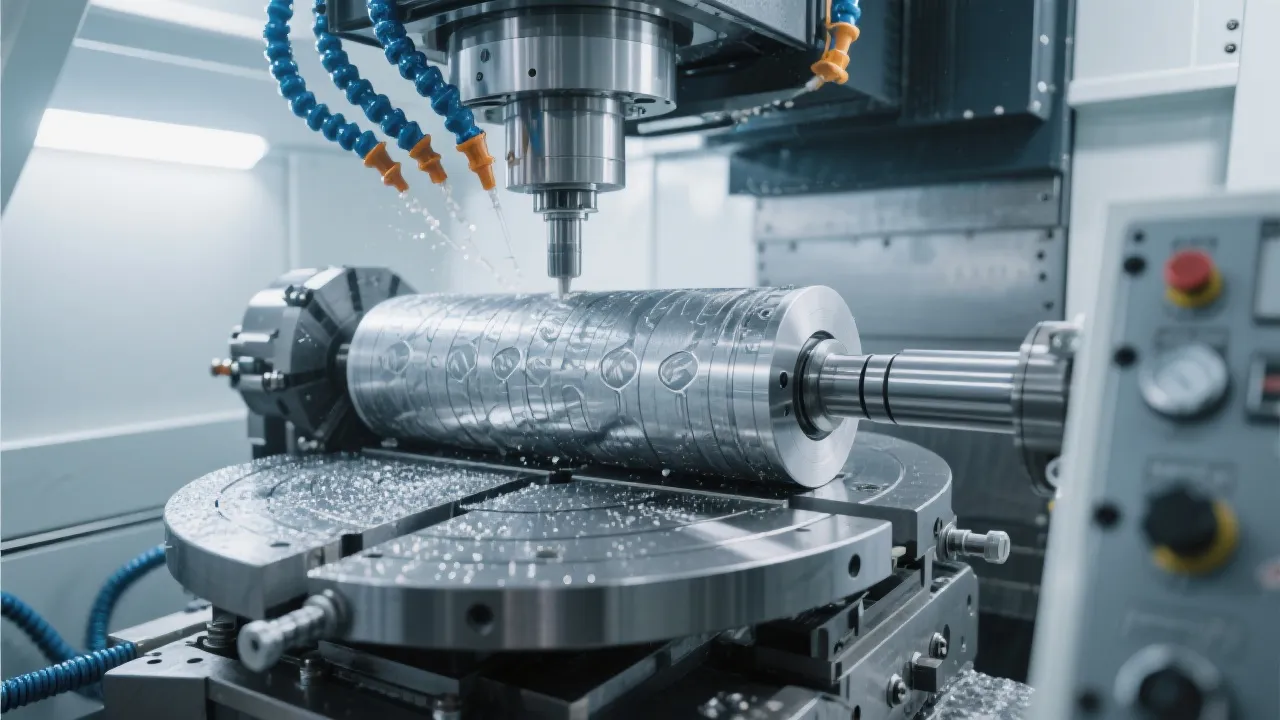
Structural rigidity is another cornerstone for achieving high-quality machining results. Dual-column machine frames provide enhanced stiffness, limit deflection during heavy cuts, and improve vibration damping. Industry benchmarks highlight that dual-column designs improve machining stability by up to 40%, especially critical in small batch environments with constant tool-path variations.
For example, a leading mold manufacturer reduced dimensional variance by 25% after switching from a single-column to a dual-column machining center. This structural robustness ensures consistent part quality, reduces scrap, and enables faster cycle times without sacrificing precision.
No matter how advanced the hardware and software, reliable after-sales service remains essential for sustained production efficiency. A manufacturing plant benefits significantly from localized technical support, rapid delivery of replacement parts, and remote diagnostics.
Notably, factories partnering with vendors offering 24/7 hotline assistance and on-site maintenance notice a 20% reduction in unexpected downtime. A comprehensive warranty with professional training also empowers operators, reducing human error in multi-variant jobs. Selecting suppliers with proven service records is vital for maintaining consistent first-pass yield under complex production demands.
To simplify equipment evaluation, manufacturing managers can leverage a standardized checklist, including:
Incorporating real-world data, such as comparing cycle times and scrap percentages from peer companies, can further refine purchasing decisions.
"Implementing Fanuc-driven dual-column CNC centers with high-speed HSK spindles revolutionized our small batch production. We achieved a first-pass yield increase of over 18% within six months—a game changer for our export orders." — Jane Li, Operations Manager at Shenzhen MoldWorks Inc.
Sharing such firsthand experiences on professional forums and supplier reviews can be invaluable for companies seeking reliable benchmarks.