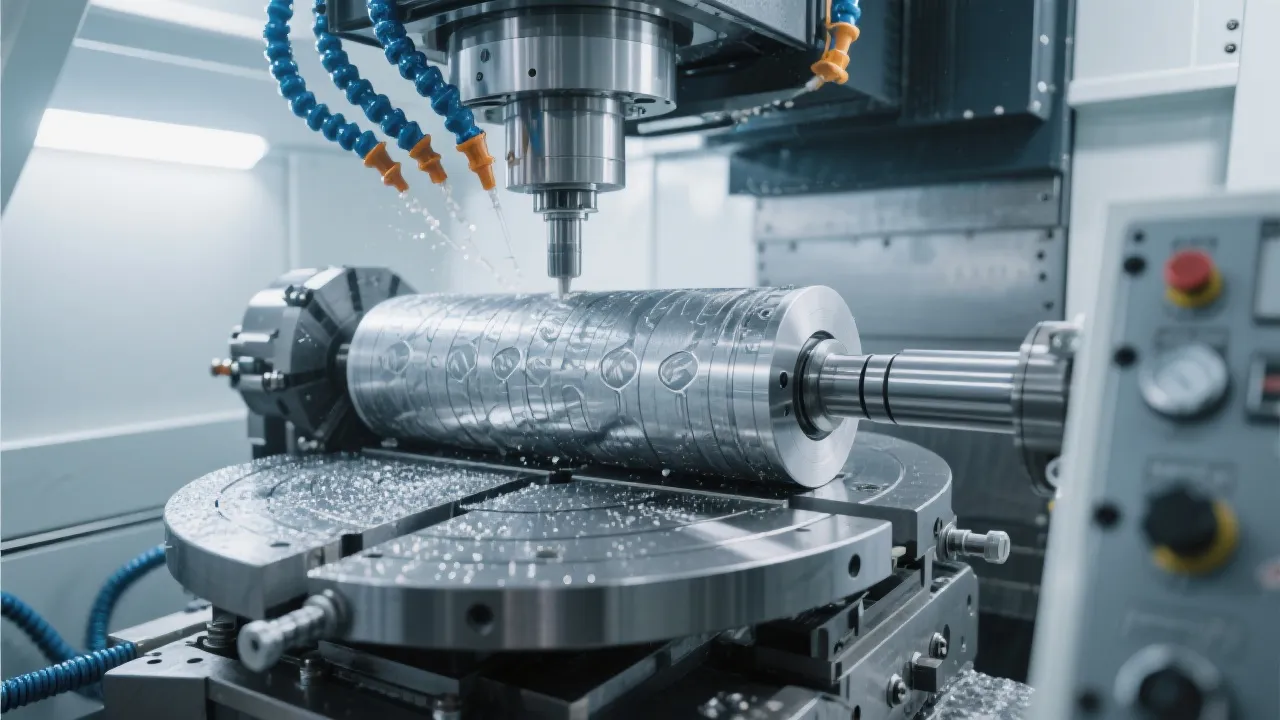
Controlling Thermal Deformation in Automotive Mold Manufacturing: Achieving Stable Ra Value Improvement

02 12,2025
KAIBO CNC
Industry Research
This article comprehensively analyzes five critical process techniques addressing common challenges in large automotive mold machining, including dimensional deviations and inconsistent surface roughness. Key focus is placed on thermal deformation control technology and its role in stabilizing the Ra value during machining. Leveraging the advantages of Ningbo Kaibo CNC Machinery Co., Ltd.'s DC1317 dual-column CNC milling machine, practical insights and data-driven results are shared to enhance mold processing consistency and qualification rates. Through detailed technical principles, typical application cases, and the integration of fixture rigidity design, cutting parameter optimization, tool path planning, and machine geometric compensation, this study provides efficient solutions to advance precision and surface quality in automotive component manufacturing, ultimately boosting brand competitiveness and market share.
营销主题配图_1752129343733.jpg

Addressing Common Challenges in Automotive Mold Machining: Achieving Stable Ra Values through Thermal Deformation Control

In the automotive manufacturing sector, precision mold machining is crucial for ensuring product quality and operational efficiency. However, achieving consistent dimensional accuracy and stable surface roughness (Ra values) remains a widespread challenge, especially when dealing with large-scale molds. This article explores five fundamental process strategies that tackle these pain points, with a special emphasis on thermal deformation control techniques and their impact on Ra value stabilization.

1. Enhancing Fixture Rigidity for Dimensional Stability

The foundation of precision machining lies in a robust fixture design. Increased fixture rigidity minimizes workpiece vibrations and displacement during milling operations. Studies show that enhancing fixture stiffness can reduce dimensional deviation by up to 30%, directly supporting tighter tolerances essential for automotive molds. Employing modal analysis during fixture development helps identify and mitigate natural frequencies that cause deflections.

2. Optimizing Cutting Parameters to Minimize Deviations

Cutting parameters — including spindle speed, feed rate, and depth of cut — significantly influence machining accuracy and surface finish. For automotive mold applications, optimal parameter windows are established through empirical testing and statistical modeling. For instance, reducing feed rate by 15-20% during finish milling often improves Ra values by up to 0.1 μm without sacrificing productivity.

3. Thermal Deformation Control: The Game Changer for Ra Value Stability

Thermal deformation caused by heat buildup during machining is a primary source of dimensional drift and surface roughness fluctuations. Controlling thermal effects involves:

  • Real-time temperature monitoring: Using embedded sensors to track and predict thermal expansion.
  • Thermal compensation algorithms: Incorporating software-driven corrections integrates into CNC control systems to offset deformation dynamically.
  • Machine design innovation: The DC1317 double-column CNC milling machine by Ningbo Kaibo CNC Machinery Co., Ltd., features advanced thermal stabilization technology, including heat dissipation channels and temperature-resilient structures.

Practical data demonstrates that utilizing these technologies can maintain Ra values within a highly consistent range, with surface roughness variation reduced from ±0.3 μm to ±0.05 μm, improving mold quality reliability markedly.
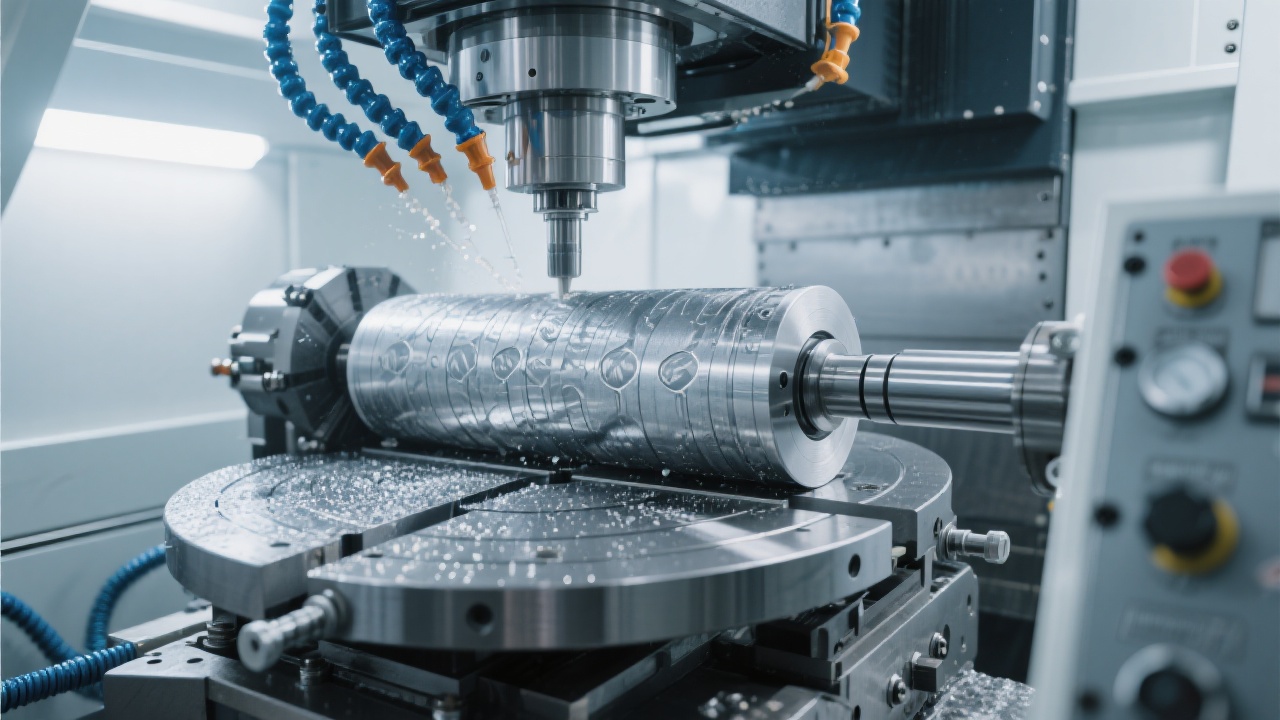
Thermal deformation control system highlighting stable Ra values in automotive mold machining

4. Strategic Tool Path Planning for Optimal Surface Finish

Precision in tool movement directly impacts surface integrity. Advanced CAM programming techniques employ strategies such as adaptive milling and trochoidal paths, balancing tool load and minimizing cutting forces. This results in smoother surfaces and extended tool life. Nissan’s recent case study showed a 15% improvement in consistent Ra values by integrating optimized tool paths on the DC1317 platform.

5. Machine Geometry Error Compensation to Ensure Repeatability

Manufacturing imperfections and wear over time cause geometric inaccuracies in CNC machines, affecting mold precision. Implementing comprehensive compensation techniques like laser interferometry calibration and software-based geometric correction ensures that the DC1317 maintains micron-level accuracy. Regular calibration can reduce cumulative geometric errors by over 40%, directly enhancing overall machining quality.
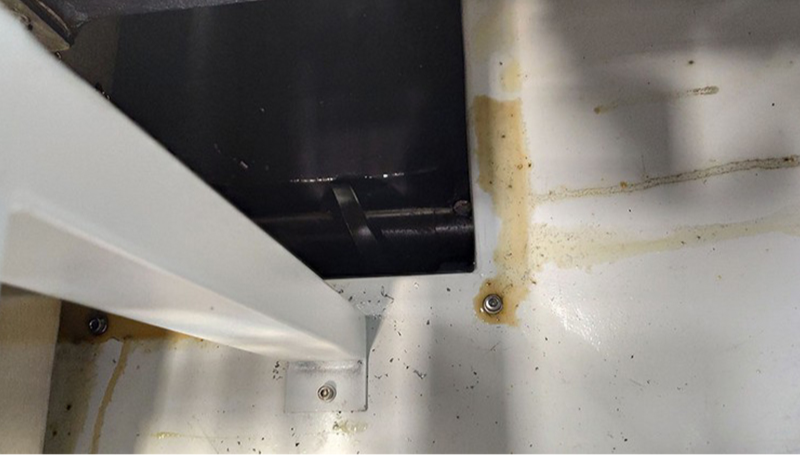
Illustration of CNC machine geometric error compensation process

Case Spotlight: DC1317 Double-Column CNC Milling Machine in Action

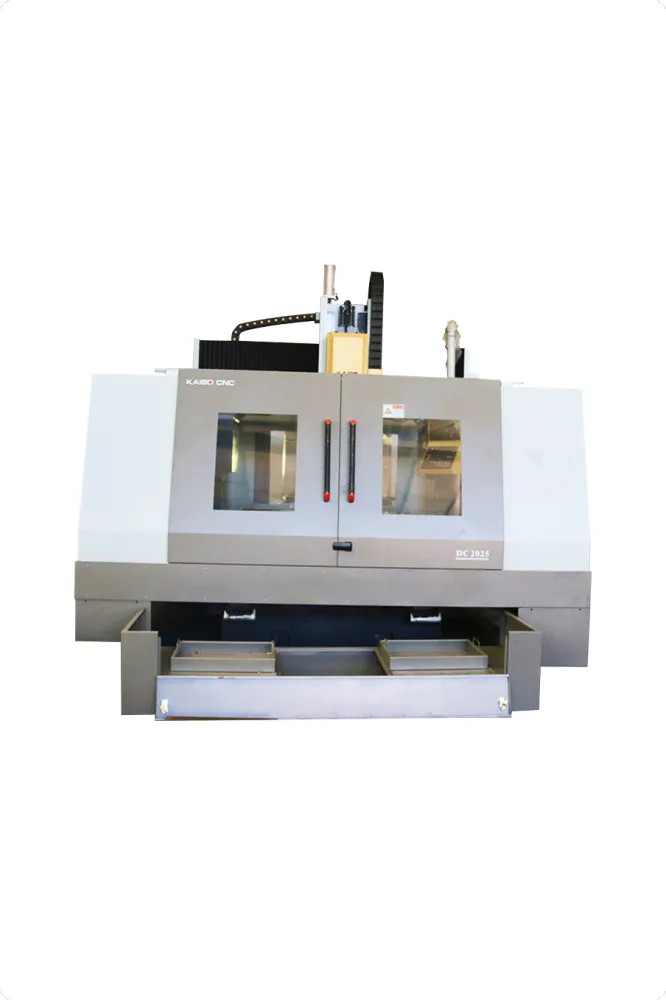
The DC1317 model exemplifies these process optimizations through its structural innovations and integrated control systems. Its application in automotive mold manufacturing has delivered consistent Ra values below 0.8 μm, surpassing industry benchmarks. The machine’s rigidity, thermal management, and intelligent software collectively reduce scrap rates by nearly 20%, yielding significant cost savings and quality improvements.

DC1317 double-column CNC milling machine showcasing precision automotive mold processing

Engage with Our Experts: Engineering Q&A

We encourage professionals in automotive mold manufacturing to engage with our technical team. Common queries include:

  • Q: How can thermal deformation affect long-term mold consistency?
  • A: Even small, cumulative thermal expansions can cause deviations that compromise assembly fit and function over production cycles.
  • Q: What are the maintenance requirements for thermal control features?
  • A: Periodic sensor calibration and coolant system inspection ensure continuous compliance with precision standards.

Continued dialogue fosters innovation and adapts solutions to evolving automotive demands.
Name *
Email *
Message*

Recommended Products

<#if (articleDetails.articleDetailsRelatedArticles.articleList?has_content)?? && (articleDetails.articleDetailsRelatedArticles.articleList?size>0)> <#if (articleDetails.articleDetailsRelatedArticles.isShow)?? && articleDetails.articleDetailsRelatedArticles.isShow> <#if (articleDetails.articleDetailsRelatedArticles.title)?? && articleDetails.articleDetailsRelatedArticles.title!="">

${articleDetails.articleDetailsRelatedArticles.title}

<#list articleDetails.articleDetailsRelatedArticles.articleList as list>
<#if (list.imgUrl?has_content)?? && (list.imgUrl?has_content)> ${list.imgAlt} <#else> img

${list.title}

${(list.updateTime)?number_to_datetime?string('dd MM ,yyyy')}
Contact us
Contact us
https://shmuker.oss-cn-hangzhou.aliyuncs.com/tmp/temporary/60ec5bd7f8d5a86c84ef79f2/60ec5bdcf8d5a86c84ef7a9a/thumb-prev.png

