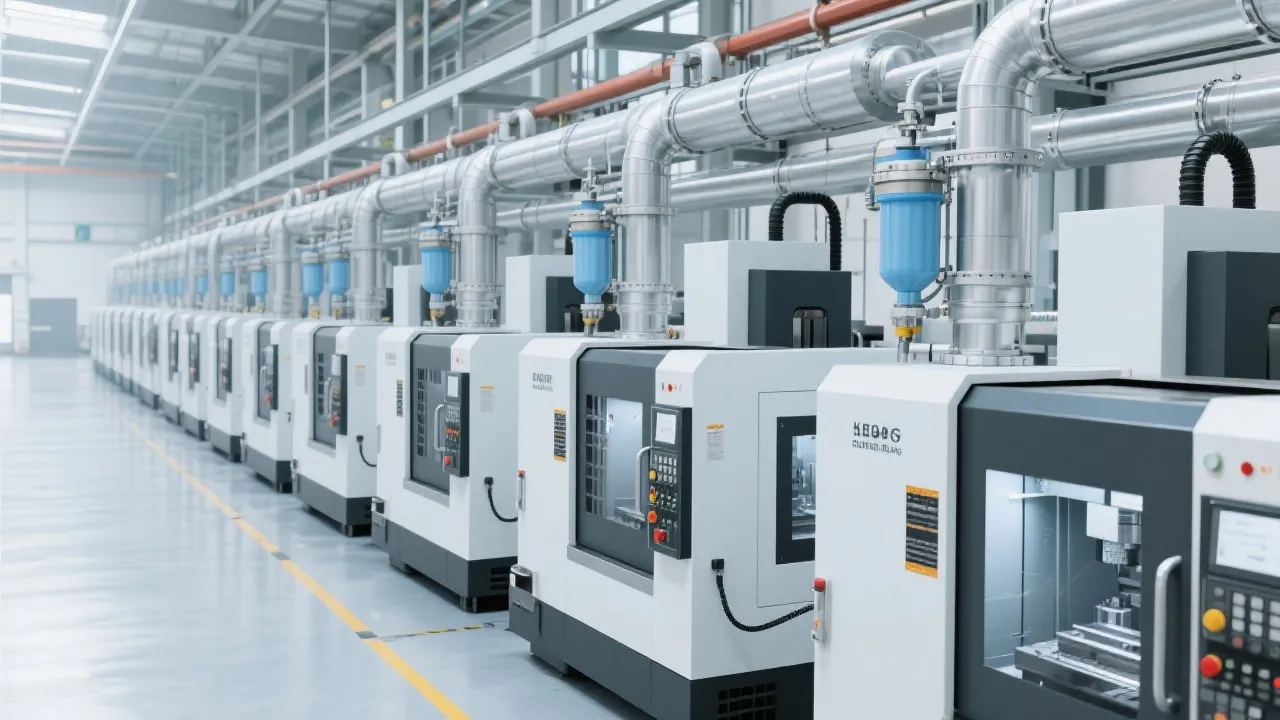
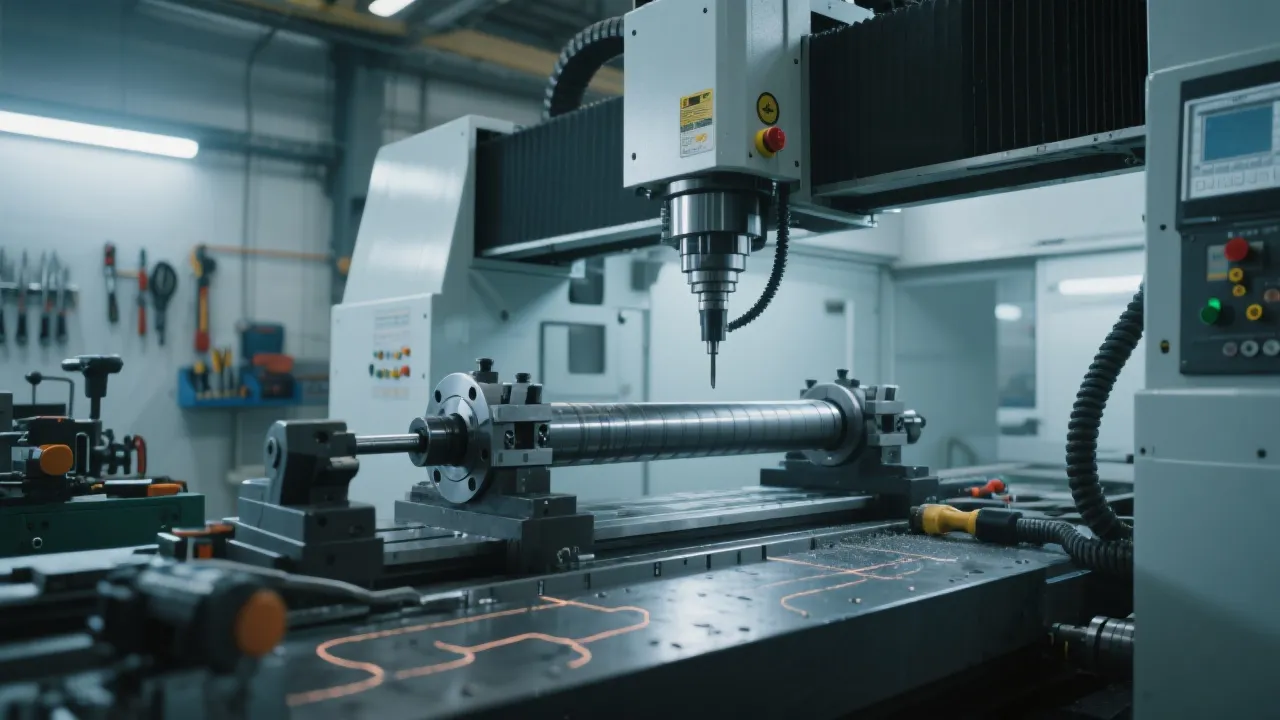
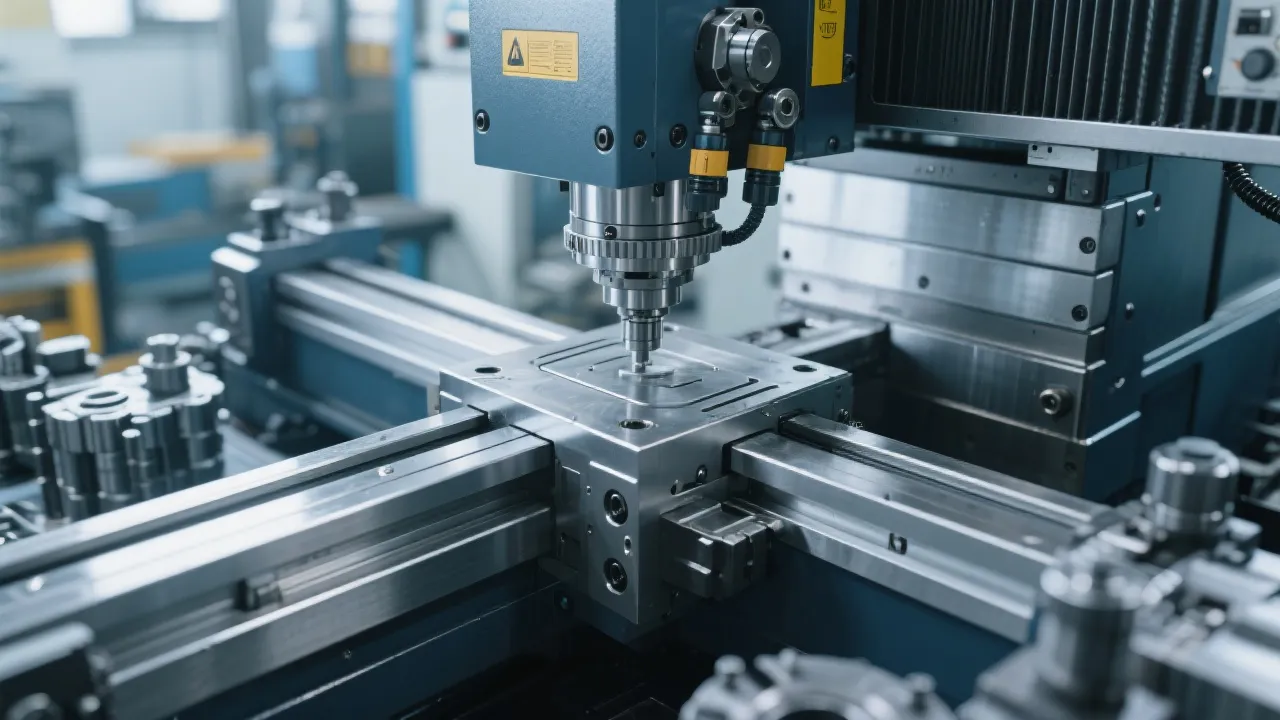
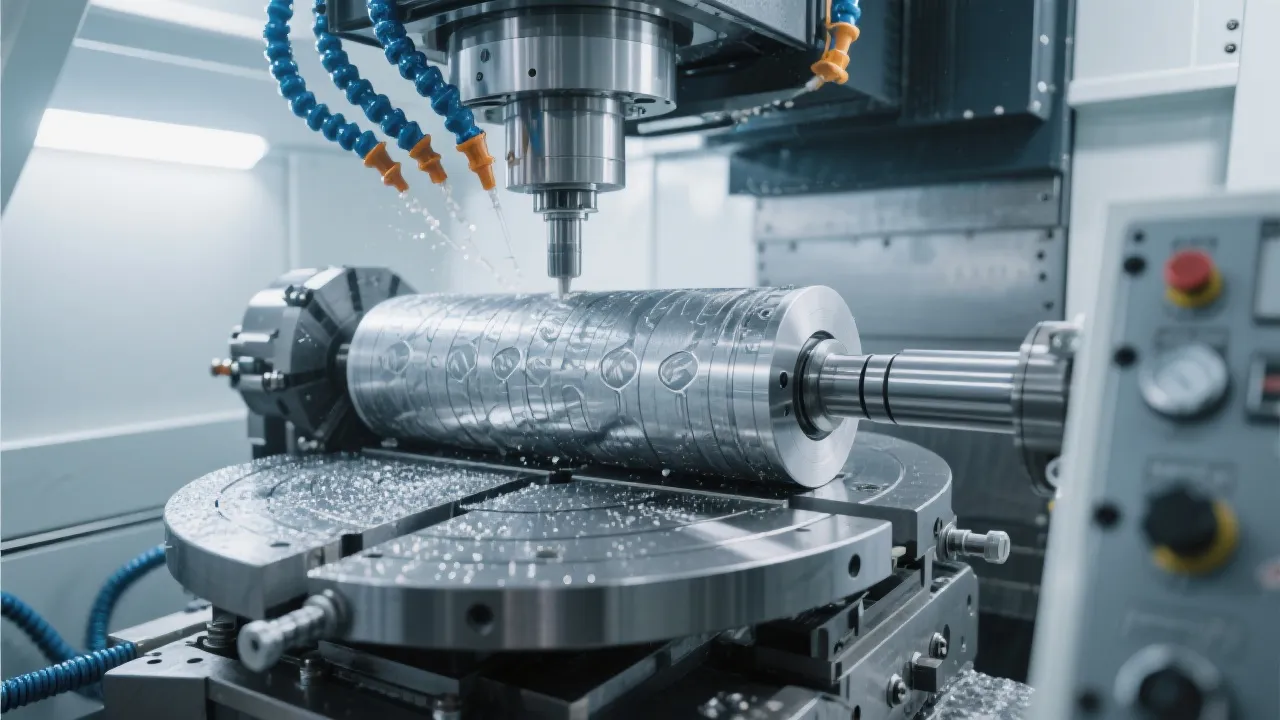
The precision and surface finish of mold components processed by high-speed CNC milling centers directly hinge on the selection of appropriate tool materials and cutting fluids. This technical overview examines how the GJ8070 high-precision vertical CNC milling machine, equipped with a Fanuc control system and HSK high-speed spindle, achieves stable and efficient machining. It then evaluates different tool materials—specifically carbide, ceramic, and cubic boron nitride (CBN)—alongside cutting fluid types (water-soluble, oil-based, and semi-synthetic) to elucidate their effects on surface roughness (Ra), thermal deformation control, and tool longevity.
Mold manufacturing demands exceptional machine precision and reliability to ensure consistent dimensions and surface quality. The GJ8070 model addresses these through a rigid machine structure and integrated temperature control. Its Fanuc CNC system provides precise trajectory control with repeatability within ±3 µm, crucial for maintaining mold surface consistency. Excessive vibrations or thermal distortion can deteriorate surface finish, escalating Ra values beyond functional thresholds (typically <0.8 µm for high-quality molds).
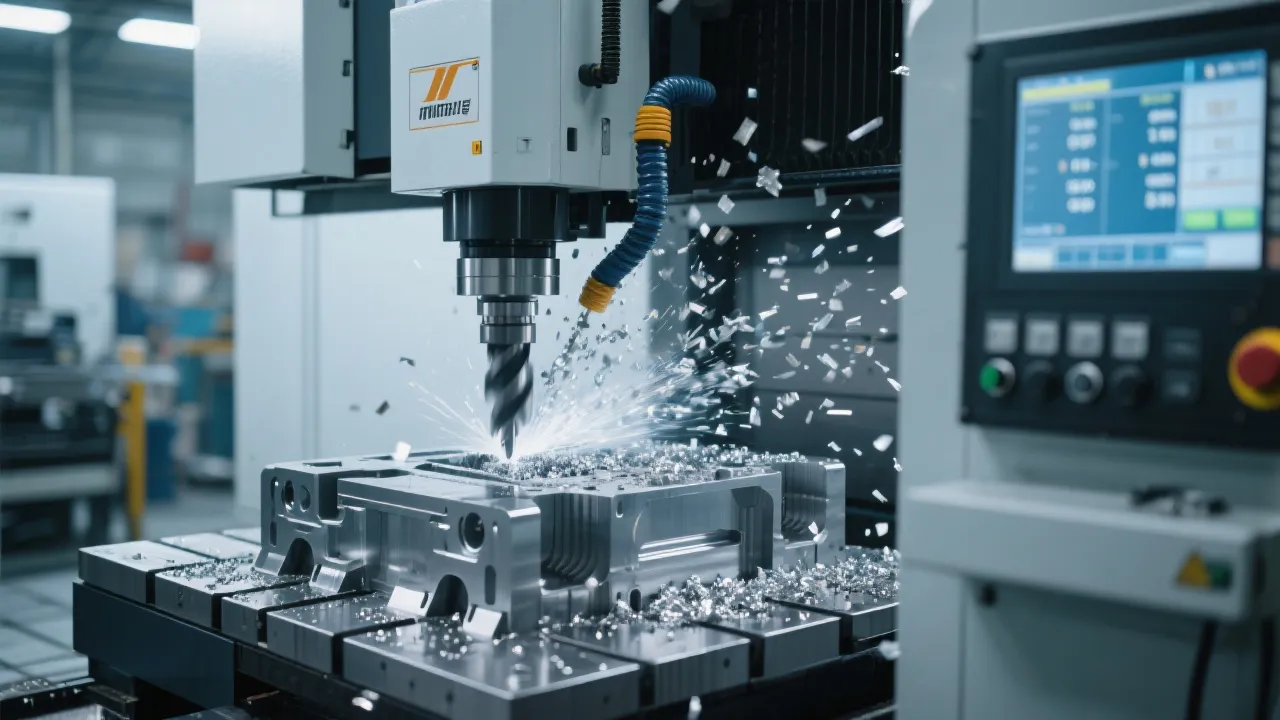
The GJ8070’s HSK high-speed spindle delivers rotational speeds up to 24,000 rpm, significantly improving surface finish by reducing cutting forces and heat generation. The Fanuc control system offers adaptive feed and acceleration curves, minimizing chatter and vibration. This configuration supports maintaining surface roughness values down to 0.3–0.5 µm using proper tooling and fluids.
Optimizing cutting speed, feed rate, and depth of cut mitigates heat buildup and vibration, which are prime factors in surface integrity degradation. Empirical tests reveal that a cutting speed of 400 m/min with a feed rate of 0.02 mm/tooth reduces surface roughness Ra by an average of 20% compared to suboptimal parameters. Additionally, implementing intermittent coolant application effectively lowers spindle temperature by approximately 15%, reducing thermal expansion-induced dimensional errors.
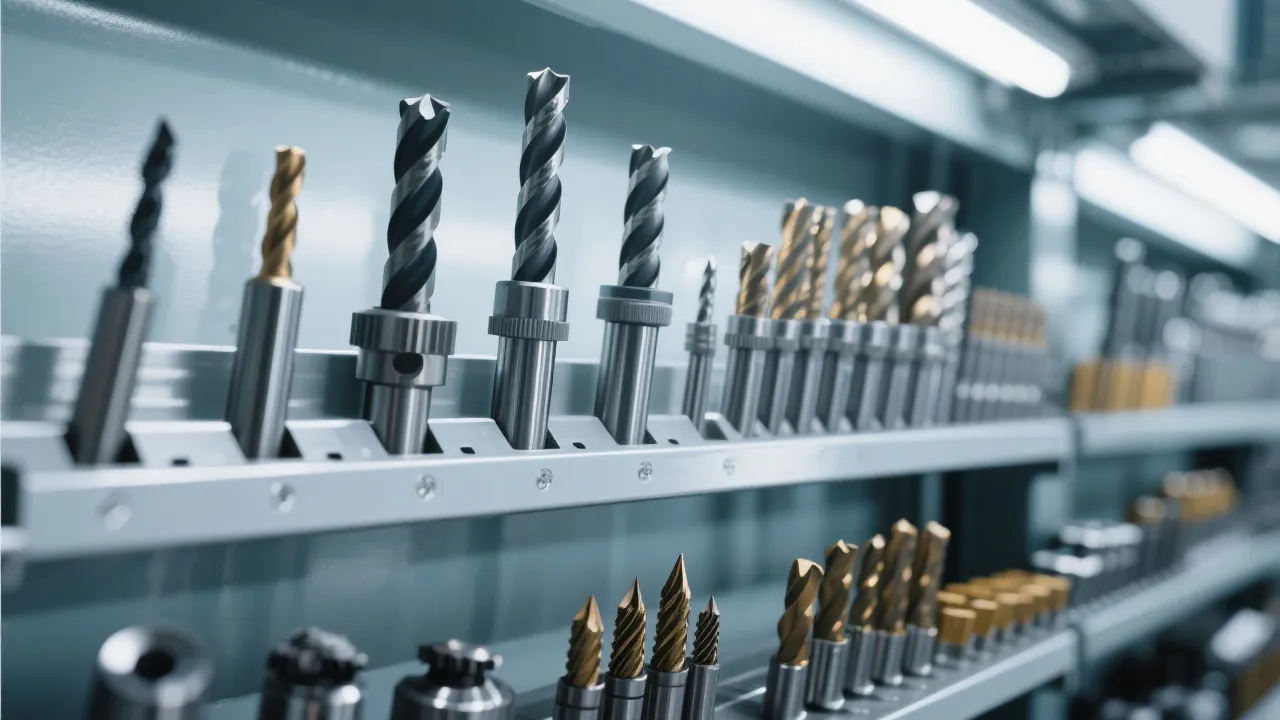
| Tool Material | Optimal Application | Advantages | Limitations | Typical Tool Life (hrs) |
|---|---|---|---|---|
| Carbide | General mold milling, moderate hardness steels | Cost-effective, good toughness | Lower heat resistance, prone to wear at high temperatures | 8–12 |
| Ceramic | High-speed machining of hardened steels | Excellent heat resistance, stable dimension control | Brittle, less tolerant to vibration | 15–20 |
| Cubic Boron Nitride (CBN) | Superalloy and hard mold materials | Exceptional hardness, longest tool life | High cost, requires optimized machining conditions | 30+ |
Efficient cooling and lubrication are critical in high-speed mold milling to control thermal deformation and extend tool life. Water-soluble cutting fluids offer superior cooling but may compromise lubrication, increasing wear on ceramic and CBN tools. Oil-based fluids provide excellent lubrication but can lead to higher thermal loads. Semi-synthetic fluids strike a balance, reducing tool wear by approximately 12% compared to water-based fluids while maintaining adequate cooling.
| Cutting Fluid Type | Cooling Performance | Lubrication Quality | Environmental Impact |
|---|---|---|---|
| Water-Soluble | High | Moderate | Low toxicity, biodegradable |
| Oil-Based | Moderate | High | Requires careful disposal |
| Semi-Synthetic | High | Good | Balanced eco-friendliness |
A medium-sized automotive mold workpiece was processed on the GJ8070 machine using a ceramic tool and semi-synthetic cutting fluid. Initial Ra values hovered around 0.9 µm, with tool life approximately 12 hours. By adjusting cutting speed from 350 m/min to 420 m/min and feed rate from 0.015 to 0.02 mm/tooth, Ra improved to 0.4 µm, and tool life extended by 25%. The balance of coolant flow at 8 L/min prevented thermal overload without compromising lubrication, and vibration amplitude was monitored at less than 5 µm peak-to-peak.
Establishing a closed-loop quality control system involving in-process surface metrology and tool wear monitoring ensures consistent part quality. Real-time feedback from spindle torque sensors and thermal cameras allows adaptive parameter tuning. Utilizing statistical process control (SPC) reduces Ra variability by up to 30%, supporting sustainable continuous improvement.