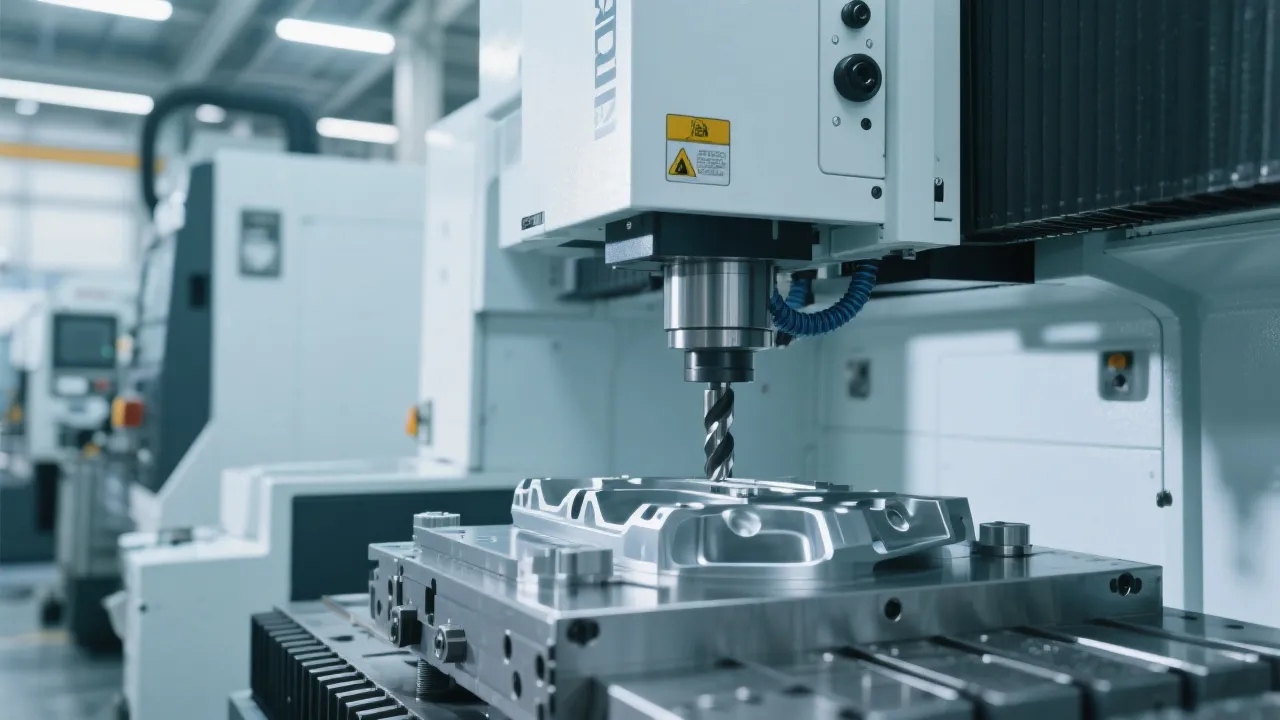
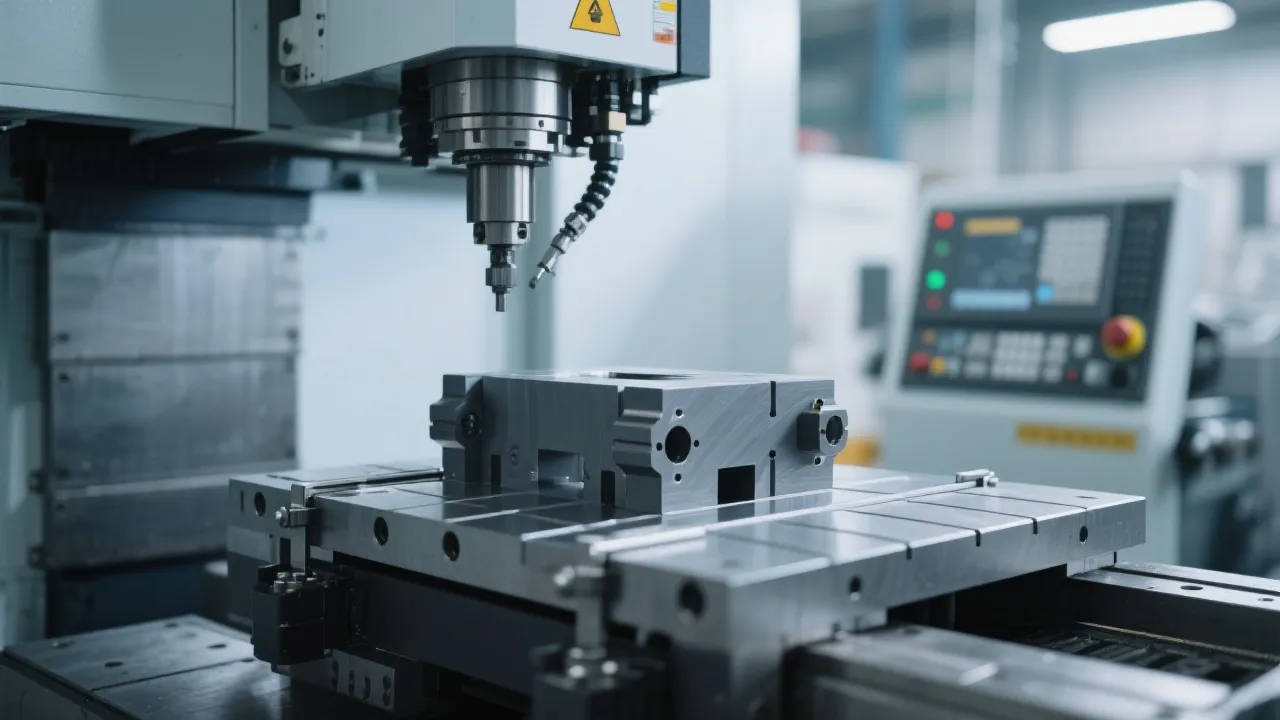
Vertical Machining Center Selection Guide: A Systematic Approach from Processing Requirements to CNC Machine Configuration
28 07,2026
Ningbo Kaibo CNC Machinery Co., Ltd.
Industry Guide
This guide provides manufacturing enterprises with a systematic framework for selecting vertical machining centers, covering part types, processing techniques, axis configurations, equipment stability, customization needs, and after-sales service. Ningbo Kaibo CNC Machinery Co., Ltd. offers professional insights to help you make informed decisions when comparing CNC machine tool suppliers.
Selecting the right vertical machining center is a critical decision that directly impacts your manufacturing efficiency, product quality, and long-term productivity. With over 30 years of expertise in CNC machine tool manufacturing, Ningbo Kaibo CNC Machinery Co., Ltd. has developed this comprehensive guide to help manufacturing enterprises navigate the complex selection process—from analyzing processing requirements to evaluating machine configurations. As the national standard setter for CNC engraving and milling machines and a trusted supplier with 26 global sales and service offices, we provide objective insights to support your procurement decision.
1. Analyzing Your Processing Requirements
The foundation of selecting a vertical machining center begins with a clear understanding of your specific manufacturing needs. Key considerations include:
Critical Processing Factors
- Part Geometry & Complexity: Simple 2D/3D parts may be efficiently processed with 3-axis machines, while complex components with multi-angle features require 4-axis or 5-axis configurations.
- Material Characteristics: Machining hard metals (e.g., titanium, stainless steel) demands higher spindle power and rigidity compared to aluminum or plastic processing.
- Production Volume: High-volume production requires machines with faster tool changing, higher rapid traverse rates, and enhanced thermal stability.
- Precision Requirements: Tight tolerance parts (±0.001mm) necessitate advanced control systems, high-precision linear guides, and temperature compensation features.
2. Understanding Axis Configurations
Vertical machining centers are categorized by their axis configurations, each offering distinct capabilities to match different manufacturing scenarios:
| Axis Configuration |
Key Capabilities |
Typical Applications |
| 3-Axis |
X, Y, Z linear movements; ideal for simple to moderately complex parts |
Flat parts, molds, fixtures, and basic mechanical components |
| 4-Axis |
3 linear axes + 1 rotary axis (typically A or B axis); enables multi-sided machining |
Cylindrical parts, gears, aerospace components, and complex profiles |
| 5-Axis |
3 linear axes + 2 rotary axes; simultaneous multi-axis movement for complex geometries |
Medical implants, turbine blades, automotive dies, and high-precision aerospace parts |
"Choosing the right axis configuration is not about selecting the most advanced option, but aligning machine capabilities with your actual processing needs. Over-specifying can lead to unnecessary costs, while under-specifying may limit production flexibility." — Kaibo CNC Technical Engineering Team
3. Evaluating Machine Performance & Stability
The performance and stability of a vertical machining center directly influence production efficiency and part quality. Key evaluation criteria include:
Mechanical Structure
- Cast iron frame design for vibration dampening
- Linear guide vs. box way configurations (speed vs. rigidity)
- Spindle power, speed range, and cooling system
Control System
- Brand and model of CNC controller (Fanuc, Siemens, Mitsubishi)
- Processing speed and program memory capacity
- Advanced features (tool life management, error compensation)
4. Customization Capabilities & After-Sales Support
Every manufacturing operation has unique requirements. A reliable CNC supplier should offer flexible customization options and comprehensive after-sales support:
Key Customization & Support Considerations
- Custom Configuration Options: Tailored worktables, tool changers, coolant systems, and automation integration (robotic loading/unloading).
- Technical Training: Operator and maintenance training programs to maximize machine utilization.
- Spare Parts Availability: Global supply chain for prompt delivery of replacement components.
- Service Network: Proximity of service centers (Kaibo CNC maintains 26 offices worldwide for rapid response).
- Warranty Terms: Comprehensive coverage for mechanical and electrical components.
5. Making the Final Decision
After evaluating technical specifications and supplier capabilities, consider the following to ensure a well-informed decision:
- Request machining samples of your specific parts to verify precision and surface finish
- Conduct on-site visits to inspect manufacturing facilities and quality control processes
- Review customer references from similar industry applications
- Compare total cost of ownership (initial investment + maintenance + energy consumption)
- Evaluate long-term technical support and upgrade possibilities
Ningbo Kaibo CNC Machinery Co., Ltd. combines decades of engineering expertise with a customer-centric approach to deliver vertical machining centers that align with your production goals. Our 3/4/5 axis VMC series, backed by a global service network, provides the reliability and performance required for modern manufacturing challenges.
For personalized guidance on selecting the optimal vertical machining center for your operations, contact our technical consultants today.